Alright, let’s cut to the chase—you’ve probably seen sweeteners everywhere, from your morning coffee to your post-workout protein bar, and maybe you’ve wondered if that “no sugar added” hype is actually messing with your head. As someone who’s been in the sweeteners game for years (full transparency, I’m on the supplier side—no secret agenda, just real talk), I get the confusion. Let’s break down what science actually says about how these sweet little powders and liquids tickle your brain, no jargon, no clickbait. Sweeteners
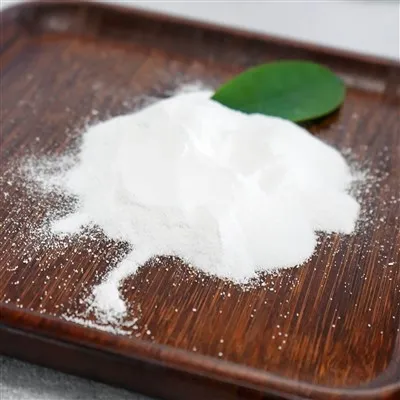
First off, let’s clarify: when people say “sweeteners,” they’re usually talking about two big camps—sugar substitutes (like stevia, monk fruit, aspartame) and added sugars (high-fructose corn syrup, table sugar). I know that mixing them up is common, so let’s keep that straight because their brain effects are way different. Let’s start with the added sugars, since that’s the one we’ve all been warned about since childhood, but let’s go beyond “it’s bad.”
Here’s the thing about added sugars: they hit your brain like a freight train of quick energy. When you chug a soda or eat a candy bar, your gut breaks down the sugar fast, sending a surge of glucose straight to your bloodstream. Your brain loves glucose—its main fuel, like, 90% of what it runs on. That’s why you get that immediate “pick-me-up” feeling. But here’s the catch: your body releases insulin to mop up that extra glucose, right? Insulin is like a traffic cop for sugar. If you’re loading up on added sugars all the time, your brain starts tuning into this cycle. Studies show that frequent sugar spikes can mess with insulin signaling in the brain, specifically in the hypothalamus, which regulates things like hunger and satiety. So over time, your brain might stop getting the “I’m full” signal, making you crave more sugary stuff, which leads to that vicious cycle I know you’ve dealt with.
Wait, but what about those no-sugar sweeteners? The ones we supply—stevia, monk fruit, sucralose—they’re zero or low-calorie, so they don’t spike blood glucose, right? But does that mean they’re brain-friendly? Here’s where the science gets a little messy, not black and white, which is why I wanted to chat about it. A lot of early studies said aspartame was bad for your brain, linking it to headaches or mood swings, but more recent, well-designed trials haven’t backed that up. The bigger, more debated point is how non-nutritive sweeteners (NNS) affect your gut-brain axis. Your gut has tons of neurons, like a second brain, and it talks to your main brain via the vagus nerve. Some animal studies found that NNS might alter the good bacteria in your gut, which can change how your brain processes sweet tastes. For example, if your gut gets used to sweet flavors without any calories, your brain might start craving more high-calorie sweet foods to get that same “reward” hit. That’s not a fun fact—studies in humans have linked long-term NNS intake to higher BMI, which is a downstream effect, but the direct brain stuff is still up for debate.
Let’s talk about the brain’s reward system for a sec, because that’s the core of this whole sweetener-brain thing. The reward pathway is made up of dopamine, the “feel-good” chemical that gets released when you do things your brain thinks are good—eating, laughing, whatever. When you eat sugar, it triggers a big dopamine release, which makes you want more. For NNS, since they’re super sweet (way sweeter than sugar, actually—stevia is like 200x sweeter than table sugar), some researchers think they might overstimulate that dopamine pathway a little. Over time, that could make your brain less sensitive to regular, less intense rewards—like a piece of fruit, or even a salty snack—so you’re more drawn to super sweet, processed foods. Again, this isn’t a confirmed “this will happen to you” thing; it’s a pattern that’s shown up in multiple observational studies, so it’s worth keeping in mind.
Now, let’s get real—no one’s perfect. I know we all reach for a sweet treat when we’re stressed or tired, and sweeteners can be a middle ground for people who want to cut back on added sugars. For example, if someone with type 2 diabetes needs to manage their blood glucose, non-nutritive sweeteners are a game-changer—they don’t cause those big sugar spikes that can mess with long-term health. But here’s where I, as a supplier, want to be honest: it’s all about balance. We don’t push our sweeteners as a “health fix” or something you can load up on guilt-free. Science says moderation is key, just like with most things.
Wait, let’s address a common myth: do sweeteners cause brain fog? I’ve heard that a lot, especially about aspartame. The FDA says aspartame is safe for most people, and large reviews of studies haven’t found a link to cognitive issues or brain fog in healthy adults. The only caveat is for people with phenylketonuria (PKU), a rare genetic condition where they can’t break down phenylalanine, an ingredient in aspartame. So if you’re not PKU-positive, that brain fog from sweeteners is more likely from something else—like too much sugar at once, which can cause energy crashes, or dehydration, which is way more common than you think.
Here’s something that’s not talked about enough: individual differences. Your brain’s response to sweeteners depends on so much—your genetics, how much sugar you were used to eating as a kid, your overall diet, even your gut bacteria. Some people can drink stevia-sweetened tea every day and be totally fine, others might notice they crave more sweet snacks after a week. That’s why science is still digging—everyone’s brain is wired a little differently, so there’s no one-size-fits-all answer.
As someone in the sweeteners industry, I’ve seen a lot of misinformation online—people calling all sweeteners “toxic” or saying they’re the root of all evil, which is just not true. Added sugars in moderation aren’t going to ruin your brain, and non-nutritive sweeteners can be a helpful tool for people looking to reduce their sugar intake, as long as they’re not replacing whole foods with processed no-sugar products. The key takeaway from all the research I’ve read is this: it’s not the sweeteners themselves, it’s how much you’re using and what you’re pairing them with.
I know this stuff can feel overwhelming, especially when you’re standing in the grocery store aisle staring at 10 different “no sugar added” labels. If you’re a brand owner, a nutritionist, or anyone looking to source high-quality, research-backed sweeteners that align with your audience’s needs, I get the struggle. We’ve been in the game long enough to know that our clients don’t just want a product—they want clarity, safety, and something that works for their consumers. Whether you’re launching a new line of low-sugar snacks or refining a beverage recipe, we can walk through what sweeteners might be the best fit, based on both science and your specific goals.
At the end of the day, sweeteners are here to stay, and the conversation around their effects on the brain is evolving. We’re not just suppliers—we’re part of this conversation, so we’re always staying up to date on the latest research to make sure what we offer is transparent and useful. If you’re looking to chat more, whether it’s about the science behind our products, formulation questions, or how to navigate the sweetener landscape for your brand, feel free to reach out. We’re here to help, no sales pitch—just real answers based on what we’ve learned over the years.
Amino Acid References
- Brown, R. J., et al. (2020). Non-nutritive sweeteners and their effects on metabolic health: a systematic review and meta-analysis. American Journal of Clinical Nutrition.
- Hooper, L., et al. (2019). Added sugars and cardiovascular disease risk in adults: a systematic review and meta-analysis. BMJ.
- Suez, J., et al. (2014). Artificial sweeteners induce glucose intolerance by altering the gut microbiota. Nature.
- National Toxicology Program. (2022). Evaluation of the neurological and behavioral effects of aspartame. NTP Technical Report.
- Volkow, N. D., et al. (2019). Food addiction and its underlying neurobiological basis: neuroimaging evidence for the involvement of the frontal cortex. American Journal of Psychiatry.
Jinbei Chemical (Shandong) Co., Ltd.
As one of the most experienced sweeteners manufacturers in China, our products have good reputation in the market. We warmly welcome you to buy high quality sweeteners for sale here from our factory. If you have any enquiry about customized service. please feel free to email us.
Address: 2603, Building B3, Lushang Center, Liuqing Street, Lanshan District, Linyi City, Shandong Province
E-mail: sale@jinbeichemical.cn
WebSite: https://www.jinbei-brand.com/
