Hey there, fellow poultry farmers! I’m a supplier of LED poultry lighting systems, and I’ve been getting a lot of questions lately about how our lighting affects the leg strength of poultry. So, I thought I’d take a deep – dive into this topic and share what I’ve learned. LED Poultry Lighting System
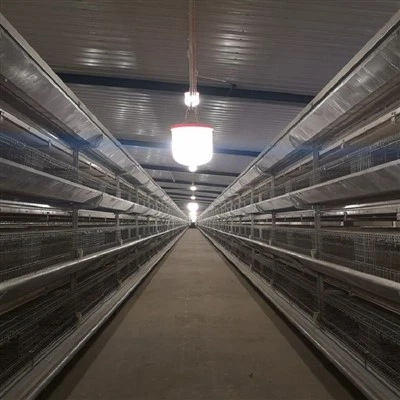
First off, let’s talk about why leg strength in poultry matters. Strong legs are crucial for chickens, turkeys, and other poultry. They need to be able to move around the coop or barn easily, find food and water, and avoid predators. Weak legs can lead to lameness, which not only affects the well – being of the birds but also has economic consequences for farmers. Lame birds may eat less, grow slower, and have a higher mortality rate.
Now, how does lighting come into play? Well, it turns out that light is a powerful environmental factor that can have a significant impact on the growth and development of poultry, including their leg strength.
The Natural Light Cycle and Poultry
In the wild, chickens and other poultry are exposed to a natural light – dark cycle. They wake up with the sunrise, forage during the day, and rest at night. This natural rhythm is hard – wired into their biological clocks. When we raise poultry in commercial settings, replicating this natural cycle as closely as possible can have positive effects.
LED poultry lighting systems allow us to customize the light spectrum, intensity, and photoperiod (the length of time the lights are on). By mimicking the natural light cycle, we can help the birds maintain a healthy internal clock. A well – regulated internal clock is important for hormone production, which in turn affects bone development and muscle growth. For example, the release of growth hormone is often regulated by the circadian rhythm. When the birds’ internal clocks are in sync, they are more likely to produce the right amount of growth hormone for proper bone development and muscle building, which contributes to stronger legs.
Light Spectrum and Leg Development
The light spectrum is another important aspect. Natural sunlight contains a full spectrum of light, including different wavelengths such as ultraviolet (UV), visible light, and infrared. LED lights can be engineered to emit specific wavelengths that are beneficial for poultry.
Blue light, for instance, has been shown to have an impact on the nervous system and can affect the birds’ sleep quality. Good sleep is essential for the repair and growth of muscles and bones. When birds get enough restful sleep, their bodies can focus on developing strong legs.
Red light, on the other hand, is often associated with increased feed intake and better growth. When chickens eat more and grow at a healthy rate, they are more likely to develop strong bones and muscles, including those in their legs. In fact, some studies have found that a combination of red and blue light can be particularly effective. The red light encourages eating and growth, while the blue light helps with sleep and overall well – being.
Light Intensity and Movement
Light intensity also plays a role in the leg strength of poultry. If the light in the chicken coop or barn is too dim, the birds may be less active. Lack of movement can lead to muscle atrophy and weak legs. On the other hand, if the light is too bright, it can cause stress to the birds, which may also have a negative impact on their growth and development.
Our LED poultry lighting systems allow you to adjust the light intensity according to the age and needs of the birds. For younger chicks, a lower light intensity may be appropriate as they are more sensitive. As they grow older, you can gradually increase the intensity to encourage more movement. When birds are more active, they exercise their leg muscles, which helps in building strength. For example, they will walk around more to explore their environment, peck at the ground for food, and even engage in some light play. All these activities work out their leg muscles and contribute to better leg strength.
The Role of Photoperiod
The photoperiod, or the length of time the lights are on, is equally important. A well – designed photoperiod can promote proper growth and development. In the early stages of a chick’s life, a longer photoperiod (around 18 – 23 hours of light per day) is often recommended. This gives the chicks more time to eat and grow. As they get older, you can gradually reduce the photoperiod to mimic the natural light cycle.
When the light – dark cycle is well – regulated, the birds’ bodies can better handle the growth process. If the photoperiod is too long or too short, it can disrupt the birds’ internal clocks and lead to problems. For example, if the birds are exposed to light for too long, they may not get enough rest, which can affect bone and muscle development. On the other hand, if the photoperiod is too short, they may not have enough time to eat and grow properly. Our LED lighting systems make it easy to set and adjust the photoperiod to meet the specific needs of your flock.
Real – World Examples and Benefits
I’ve had the privilege of working with many poultry farmers who have seen the positive effects of our LED lighting systems on the leg strength of their birds. One farmer in the Midwest switched from traditional incandescent lights to our LED lights. He noticed that his chickens were more active and had fewer problems with lameness. The birds’ legs seemed stronger, and they were able to move around the coop more freely.
Another farmer in the South was dealing with high mortality rates due to leg problems in his turkeys. After installing our LED lighting system, he was able to customize the light spectrum, intensity, and photoperiod. Over time, he saw a significant reduction in the number of lame turkeys and an improvement in the overall health of his flock.
Conclusion
In conclusion, LED poultry lighting systems can have a profound impact on the leg strength of poultry. By mimicking the natural light cycle, adjusting the light spectrum, intensity, and photoperiod, we can create an environment that promotes healthy growth and development. This not only benefits the well – being of the birds but also the bottom line of poultry farmers.
Automatic Egg Collection System If you’re interested in learning more about how our LED poultry lighting systems can improve the leg strength of your flock and enhance your overall poultry operation, don’t hesitate to reach out. We’re here to answer your questions and help you find the best lighting solution for your needs. Let’s work together to raise healthy, strong – legged poultry!
References
- Underwood, C. K., & Lewis, P. D. (2006). Lameness in broiler chickens: a review of the welfare and biological implications. Avian Pathology, 35(5), 307 – 324.
- Archer, G. S., & Mench, J. A. (2014). The effects of light spectrum on health and welfare parameters of commercial broiler chickens. Poultry Science, 93(8), 1963 – 1974.
- Rozenboim, I., Huber, E., & Meiri, O. (2004). Effect of lighting programs based on dawn and dusk simulations on broiler chicken performance. Poultry Science, 83(10), 1667 – 1674.
Guangzhou Guangxing Poultry Equipment Group Co., Ltd.
Guangzhou Guangxing Poultry Equipment Group Co., Ltd. is one of the most professional led poultry lighting system manufacturers and suppliers in China, featured by quality products and good price. Welcome to buy CE approved led poultry lighting system made in China here and get pricelist from our factory. Customized orders are welcome.
Address: NO.2 Guangxing Road,Shating Taihe Town,Baiyun Guangzhou,China
E-mail: gxservice@cnguangxing.com
WebSite: https://www.guangxingcn.com/
