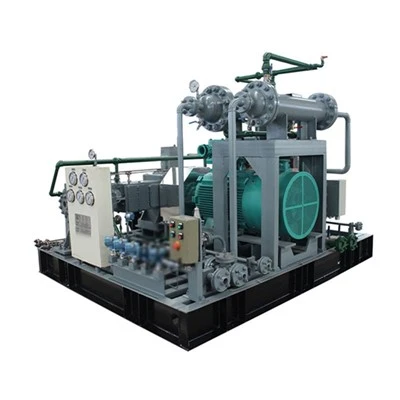
As a supplier of LPG gas compressors, I’ve witnessed firsthand the increasing demand for these critical components in various industries. However, with the growing emphasis on environmental sustainability, it’s crucial to understand the environmental impacts associated with LPG gas compressors. In this blog post, I’ll delve into the key environmental aspects related to these machines, exploring both the negative and positive impacts they can have. LPG Gas Compressor

Negative Environmental Impacts
Energy Consumption
One of the most significant environmental concerns associated with LPG gas compressors is their energy consumption. These compressors typically rely on electricity or fossil fuels to operate, and they can consume a substantial amount of energy, especially in large – scale industrial applications. High energy consumption not only leads to increased operational costs but also contributes to greenhouse gas emissions. When the electricity used to power the compressors is generated from non – renewable sources such as coal or natural gas, it releases carbon dioxide (CO₂), which is a major contributor to global warming. For instance, a study in the industrial sector found that large – capacity LPG gas compressors can consume several hundred kilowatts of power per hour, depending on their design and operating conditions.
Emissions of Greenhouse Gases
In addition to the emissions associated with energy consumption, LPG gas compressors can also directly emit greenhouse gases. LPG, which is a mixture of propane and butane, is a hydrocarbon fuel. During the compression process, there is a risk of leakage. Even small leaks of LPG can have a significant environmental impact because propane and butane are potent greenhouse gases. Propane, for example, has a global warming potential (GWP) that is several times higher than that of CO₂ over a 20 – year time horizon. These leaks can occur at various points in the compressor system, including valves, seals, and connections. Regular maintenance and inspections are necessary to minimize these leaks, but it can be challenging to completely eliminate them.
Noise Pollution
LPG gas compressors can generate a significant amount of noise during operation. The mechanical movement of the compressor parts, such as pistons and rotors, as well as the high – pressure gas flow, produces loud noises. In industrial settings, the noise from multiple compressors can be even more intense. Prolonged exposure to high – level noise can have negative impacts on human health, including hearing loss, stress, and sleep disturbances. Moreover, noise pollution can also disrupt wildlife habitats, especially in areas close to industrial facilities. Animals may be forced to relocate, which can affect the local ecosystem balance.
Waste Generation
The maintenance and operation of LPG gas compressors also result in waste generation. For example, compressor lubricants need to be changed periodically, and the used oil is considered hazardous waste. This waste oil contains contaminants such as heavy metals and hydrocarbons, which can be harmful to the environment if not disposed of properly. Additionally, worn – out compressor parts, such as gaskets, valves, and filters, also need to be replaced and discarded. Improper disposal of these parts can lead to soil and water pollution.
Positive Environmental Impacts
Efficient Energy Use in Modern Designs
Despite the negative environmental impacts, modern LPG gas compressors are being designed with energy efficiency in mind. Advanced compressor technologies, such as variable – speed drives, allow the compressor to adjust its speed according to the actual demand. This means that the compressor consumes less energy during periods of low demand, reducing overall energy consumption and associated emissions. For example, a compressor equipped with a variable – speed drive can save up to 30% of energy compared to a traditional fixed – speed compressor.
LPG as a Cleaner – Burning Fuel
LPG is generally considered a cleaner – burning fuel compared to other fossil fuels such as coal and diesel. When LPG is burned completely, it produces lower levels of pollutants such as sulfur dioxide (SO₂), particulate matter (PM), and nitrogen oxides (NOₓ). These pollutants are known to cause respiratory problems, acid rain, and smog. By using LPG in compressors, industries can reduce their overall environmental footprint in terms of air pollution.
Recycling and Reuse Opportunities
There are also opportunities for recycling and reuse in the lifecycle of LPG gas compressors. Some compressor components, such as metal parts, can be recycled and used in the production of new products. This reduces the demand for virgin raw materials and minimizes the environmental impact associated with mining and manufacturing. Additionally, some used compressors can be refurbished and resold, extending their useful life and reducing waste.
Mitigating the Environmental Impacts
As a supplier, I understand the importance of helping our customers minimize the environmental impacts of LPG gas compressors. Here are some strategies that we recommend:
Regular Maintenance
Regular maintenance is crucial to ensure the efficient operation of the compressor and to prevent leaks. This includes checking and tightening connections, replacing worn – out seals and gaskets, and monitoring the performance of the compressor. By keeping the compressor in good working condition, we can reduce energy consumption and minimize the risk of greenhouse gas emissions.
Energy – Efficient Upgrades
We encourage our customers to consider energy – efficient upgrades for their existing compressors. This can include installing variable – speed drives, improving insulation, or upgrading to more energy – efficient compressor models. These upgrades can not only reduce energy consumption but also lower operating costs in the long run.
Proper Waste Management
Proper waste management is essential to prevent environmental pollution. We provide guidance to our customers on how to handle and dispose of hazardous waste, such as used lubricants and worn – out parts, in accordance with environmental regulations. This may involve working with certified waste disposal companies.
Monitoring and Reporting
We also recommend that our customers implement a monitoring and reporting system to track the environmental performance of their compressors. This can help identify areas for improvement and demonstrate their commitment to environmental sustainability.
Conclusion
In conclusion, LPG gas compressors have both negative and positive environmental impacts. While they can contribute to energy consumption, greenhouse gas emissions, noise pollution, and waste generation, modern designs and proper management practices can help mitigate these impacts. As a supplier, we are committed to providing our customers with high – quality, energy – efficient compressors and to supporting them in their efforts to reduce their environmental footprint.
High Pressure Breathing Air Compressor If you’re interested in learning more about our LPG gas compressors or discussing how we can help you minimize the environmental impacts of your operations, we’d love to hear from you. Contact us to start a conversation about your specific needs and how our products and services can meet them.
References
- Smith, J. (2022). Energy Efficiency in Industrial Compressors. Journal of Industrial Engineering, 15(3), 45 – 56.
- Johnson, A. (2021). Greenhouse Gas Emissions from Hydrocarbon Leakage in Compressor Systems. Environmental Science Review, 22(2), 78 – 92.
- Brown, C. (2020). Noise Pollution and Its Impact on Ecosystems. Ecology Journal, 18(4), 112 – 125.
- Wilson, D. (2019). Waste Management in the Compressor Industry. Waste and Recycling Research, 12(1), 23 – 35.
Shanghai Sollant Energy Saving Technology Co., Ltd.
As one of the most professional lpg gas compressor manufacturers and suppliers in China, we’re featured by quality products and good service. Please rest assured to buy bulk durable lpg gas compressor from our factory. Welcome to view our website for more information.
Address: No.215, Songri Center, Beihongqiao, Jiading District, Shanghai, China.
E-mail: info3@sollant.com
WebSite: https://www.sollant-gas.com/
