Hey there! As a supplier of vertical multistage pumps, I often get asked a whole bunch of questions. One question that pops up quite a bit is, "Can a vertical multistage pump be used for pumping viscous fluids?" Well, let’s dig into this topic and find out. Vertical Multistage Pump

First off, let’s understand what a vertical multistage pump is. These pumps are pretty cool. They’ve got multiple impellers stacked on a single shaft, one after the other. Each impeller adds a bit more pressure to the fluid being pumped. This setup allows the pump to generate high pressures, which is great for a bunch of applications like water supply in tall buildings, industrial process water, and even in boosting water pressure in some agricultural setups.
Now, when it comes to viscous fluids, things get a bit more complicated. Viscosity is basically a measure of a fluid’s resistance to flow. Think of it this way: water flows really easily, right? It’s got a low viscosity. But something like honey or oil? They’re much thicker and flow more slowly. They have a high viscosity.
So, can our trusty vertical multistage pumps handle these thick, sticky fluids? The short answer is, it depends.
Let’s talk about the challenges of pumping viscous fluids. One big problem is efficiency. Viscous fluids create more friction as they flow through the pump. This friction means the pump has to work harder to move the fluid. You end up using more energy, and the pump might not be operating as efficiently as it does with less viscous fluids like water.
For example, when a vertical multistage pump is pumping water, the impellers spin smoothly, and the water moves through the pump with relatively little resistance. But when you swap that water for a thick oil, the oil sticks to the impellers and the pump’s internal surfaces. The impellers have to push through this gooey mess, and that takes extra power. You might see a significant drop in the pump’s flow rate as well. The pump might not be able to move the same amount of the viscous fluid as it can with water in a given amount of time.
Another issue is wear and tear. The extra friction from the viscous fluid can cause more wear on the pump’s parts, especially the impellers. The impellers are designed to work with certain types of fluids, and when they’re constantly exposed to viscous fluids, they can start to degrade faster. This means you might have to replace parts more often, which can be a pain in the neck and cost you more money in the long run.
However, it’s not all bad news. In some cases, vertical multistage pumps can be used for pumping viscous fluids. You just need to take a few things into account.
One option is to make some modifications to the pump. You can change the impellers to ones that are better suited for viscous fluids. These special impellers are designed with different shapes and sizes to help move the thick fluid more effectively. Some might have wider channels to reduce the chances of the fluid getting clogged.
You also need to consider the operating conditions. Running the pump at a lower speed can sometimes help. When the pump spins more slowly, it puts less stress on the fluid and the internal parts. This can improve the pump’s performance and reduce wear.
It’s also important to know the exact viscosity of the fluid you’re pumping. Different fluids have different viscosities, and the pump’s ability to handle them can vary widely. For very viscous fluids, you might be better off looking at other types of pumps that are specifically designed for such applications, like positive displacement pumps. But for moderately viscous fluids, a well – modified vertical multistage pump could still do the job.
Let’s look at some real – world examples. In the food industry, they often have to pump thick substances like tomato puree or syrups. If the viscosity of these fluids isn’t too high, a vertical multistage pump with the right adjustments could be used. In the chemical industry, there are certain moderately viscous chemicals that can also be pumped using these pumps.
But before you go ahead and use a vertical multistage pump for viscous fluids, it’s crucial to do some testing. You can conduct a small – scale test to see how the pump performs with the actual fluid you’ll be using. This will give you a better idea of whether the pump is a good fit or if you need to look for other solutions.
I know it might seem like a lot to think about, but as a vertical multistage pump supplier, I’m here to help you figure it all out. Whether you’re dealing with a new project or trying to optimize an existing setup, I’ve got the knowledge and the experience to guide you.
If you’re thinking about using a vertical multistage pump for pumping viscous fluids, don’t hesitate to reach out. We can have a chat about your specific needs, do some calculations, and even help you with any modifications that might be required. I’m confident that together, we can find the best solution for your pumping needs.
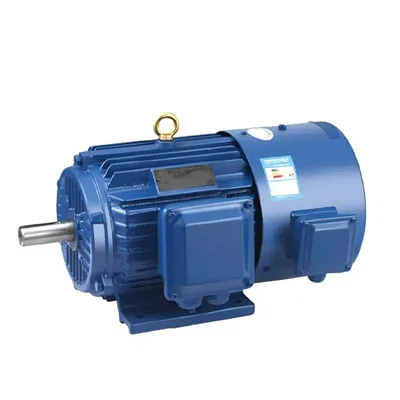
So, come on, let’s start this conversation. Whether it’s just getting some more info or taking the next step towards purchasing, I’m ready to assist. Drop me a line and let’s see how we can make your pumping process more efficient and successful.
Fire Pump References
- "Pump Handbook" by Igor J. Karassik
- "Fluid Mechanics" textbooks for understanding viscosity and fluid flow principles
Taizhou Goodpump Trading Co., Ltd.
We’re well-known as one of the most professional vertical multistage pump enterprises in China, featured by quality products and good service. Please rest assured to buy discount vertical multistage pump in stock here from our factory. For quotation, contact us now.
Address: No. 38, District 6, Zhengye Village, Lunan Street, Luqiao District, Taizhou City, Zhejiang Province, China
E-mail: 19548175755@163.com
WebSite: https://www.goodpump-cn.com/
