Hey there! I’m a supplier of hard anodized pressure cookers, and I get a lot of questions from customers about overheating. It’s a big concern because an overheating pressure cooker can be dangerous and might even damage the appliance. So, in this blog, I’m gonna share some ways to tell if your hard anodized pressure cooker is overheating. Hard Anodized Pressure Cooker

Understanding the Basics of Hard Anodized Pressure Cookers
First off, let’s talk a bit about hard anodized pressure cookers. The hard anodizing process makes the surface of the cooker really tough and resistant to scratches and corrosion. It also helps with heat distribution, which is super important for cooking evenly. But even with these great features, overheating can still happen.
Signs of an Overheating Pressure Cooker
1. Unusual Noises
One of the first signs that something might be wrong is if you start hearing strange noises coming from the pressure cooker. A normal pressure cooker makes some noise as it builds up pressure, but if you hear a high – pitched whistling or a rattling sound that’s different from the usual, it could be a sign of overheating. The high – pitched noise might be due to the pressure relief valve trying to release excess pressure because the cooker is getting too hot.
2. Excessive Steam
If you see a lot more steam coming out of the pressure cooker than normal, it could be a sign of overheating. Steam is a natural by – product of the cooking process in a pressure cooker, but if it’s billowing out in large amounts and continuously, the cooker might be getting too hot. This could be because the heat source is too high or there’s a problem with the pressure regulation inside the cooker.
3. Discoloration
Take a look at the outside of the pressure cooker. If you notice any discoloration, especially on the bottom where it’s in contact with the heat source, it’s a red flag. Hard anodized cookers are designed to withstand high temperatures, but if they’re overheated, the anodized layer can start to change color. This could range from a slight darkening to a more noticeable blackening.
4. Slow Cooking or Inconsistent Results
If your food isn’t cooking as quickly as it should or if you’re getting inconsistent results, it could be because the pressure cooker is overheating. Overheating can disrupt the normal pressure – cooking process, which relies on a specific balance of heat and pressure. So, if your rice is coming out mushy in some parts and undercooked in others, or if your meat isn’t tenderizing as it should, it might be due to overheating.
Reasons for Overheating
1. Incorrect Heat Setting
One of the most common reasons for overheating is setting the heat too high. Hard anodized pressure cookers are designed to work on medium to medium – high heat. If you turn the heat up too high, the cooker can’t handle the excess heat, and it starts to overheat.
2. Blocked Pressure Relief Valve
The pressure relief valve is an important safety feature in a pressure cooker. It releases excess pressure when the cooker gets too hot. But if this valve gets blocked by food particles or debris, it can’t do its job properly. As a result, pressure builds up inside the cooker, leading to overheating.
3. Using the Wrong Cookware on the Heat Source
Not all heat sources are compatible with hard anodized pressure cookers. For example, using a pressure cooker on a burner that’s too small or too large for the cooker can cause uneven heating and overheating. Make sure you’re using the right heat source for your cooker.
What to Do if Your Pressure Cooker is Overheating
1. Turn Off the Heat
As soon as you notice any signs of overheating, the first thing you should do is turn off the heat source. This will stop the cooker from getting any hotter.
2. Release the Pressure Safely
Once the heat is off, you need to release the pressure in the cooker. There are different ways to do this, depending on the type of pressure cooker you have. Some cookers have a quick – release valve, while others need to be cooled down naturally. Make sure you follow the manufacturer’s instructions for releasing the pressure safely.
3. Check for Damage
After the pressure is released and the cooker has cooled down, check it for any damage. Look for signs of warping, cracks, or damage to the pressure relief valve. If you find any damage, it’s best to stop using the cooker and get it repaired or replaced.
Preventing Overheating
1. Read the Manual
This might seem obvious, but a lot of people don’t take the time to read the manual that comes with their pressure cooker. The manual has important information about how to use the cooker safely, including the correct heat settings and how to maintain it.
2. Regular Maintenance
Regular maintenance is key to preventing overheating. Clean the pressure cooker after each use, especially the pressure relief valve. Make sure there are no food particles or debris blocking the valve. Also, check the gaskets and seals regularly for any signs of wear and tear.
3. Use the Right Amount of Liquid
Pressure cookers need a certain amount of liquid to work properly. If you don’t use enough liquid, the cooker can overheat. Make sure you follow the recipe’s instructions for the amount of liquid to use.
Why Choose Our Hard Anodized Pressure Cookers
As a supplier, I can tell you that our hard anodized pressure cookers are top – notch. We use high – quality materials and advanced manufacturing techniques to ensure that our cookers are durable, efficient, and safe. Our cookers are designed with multiple safety features, including reliable pressure relief valves, to prevent overheating and other issues.
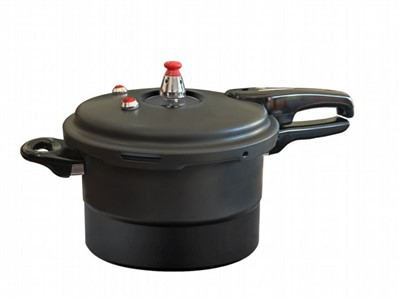
If you’re in the market for a hard anodized pressure cooker, I’d love to talk to you. Whether you’re a home cook looking for a reliable kitchen appliance or a business owner in the food industry, we have the right pressure cooker for you. We offer a wide range of sizes and models to meet your needs.
Safety Pressure Cooker If you’re interested in purchasing our hard anodized pressure cookers, feel free to reach out to us. We’re always happy to answer any questions you might have and help you find the perfect cooker for your needs. Let’s start a conversation and see how we can work together!
References
- "Pressure Cooker Safety Guide" – General safety information about pressure cookers.
- "Hard Anodized Cookware: How It Works" – Explanation of the hard anodizing process and its benefits.
Guangzhou Shuangyuan Metal Products Co., Ltd.
As one of the leading hard anodized pressure cooker manufacturers and suppliers in China, we also support customized service. Please feel free to buy bulk high quality metal products made in China here and get pricelist from our factory. For price consultation, contact us.
Address: No. 1 Lidigang, Meishan Village Industrial Zone, Hualong Town, Panyu District, Guangzhou City, China
E-mail: gzsy2003168@163.com
WebSite: https://www.sy2003.com/
