As a door lock cylinder supplier, I get this question every single week from locksmiths, property managers, and even small business owners looking to streamline access for their buildings: Can a door lock cylinder be master keyed? The short answer is yes—but not every lock cylinder is built to support a master key system, and getting it right takes specialized engineering, not just twisting a few pins. Over the past 12 years in this business, I’ve fielded requests ranging from a 5-unit apartment complex asking to cut one key that works all their front doors, to a hospital system needing master keys that open patient rooms but not the secure medication closets in each wing. Let’s break this down, not as some abstract lock trick, but as a functional solution that actually works when done properly. Door Lock Cylinder
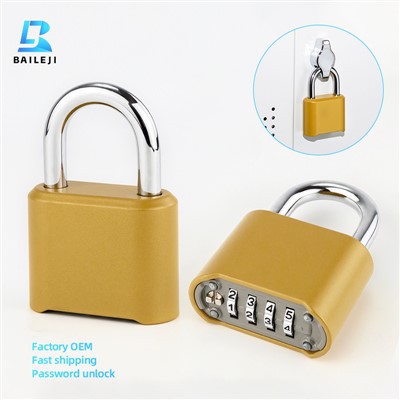
First, let’s start with how a standard pin tumbler lock cylinder works, because that’s the foundation of master keying. Most residential and commercial lock cylinders—Schlage, Kwikset, Medeco, even many high-security models—use a core set of pin stacks. Each pin stack has a top pin, a bottom pin, and a spring. When you insert a key, the key’s cuts lift each bottom pin to exactly the shear line, that tiny gap between the housing (the outer part of the cylinder that screws into your door) and the core (the rotating part that turns the latch or deadbolt). If all pin stacks hit the shear line, the core turns, and the lock opens. That’s why a standard lock only uses one key: only one set of cuts lines all its pins up to the shear line.
Master keying works by adding a second set of pins, called master pins, between the top and bottom pins. Here’s how that works for a basic master key system: Let’s say you have two separate locks, each set up for their own individual key. To make a master key that opens both, you insert master pins of different lengths into both lock cylinders. Then, you cut the master key’s bits to lift all the bottom pins plus the extra master pins in each lock to the same shear line. That way, the master key turns both cores, and each individual key still only turns its own lock. For more complex systems—like a grand master key that opens every lock in an apartment complex, or a sub-master key that works only on the first-floor units—you add more layers of master pins, one set for each level of access.
But before you rush out to rekey every lock in your building, there are limits to master keying, and that’s where I see most people go wrong, especially those who try to do it themselves or use cheap, low-quality cylinders. First, not all lock cylinders have enough space for master pins. A basic residential Kwikset cylinder, for example, has a 5-pin stack; adding two master pins per stack is common, but if you go higher than that, you risk the pins jamming. Cheaper cylinders often have thin housing or core walls, so forcing extra pins can cause the cylinder to split or the core to bind, especially under repeated use. That’s why we only recommend master keying cylinders rated for commercial use if you need a system that’s going to hold up to daily wear and tear.
Another common mistake is mismatching cylinder brands. A lot of people think they can mix Schlage and Kwikset cylinders into the same master key system, but that’s not possible. Each brand has its own pin spacing, shear line measurements, and master pin specifications. Trying to combine them will result in keys that don’t align properly, or lock cylinders that refuse to turn at all. When we set up a master key system for a client, we use all cylinders from the same manufacturer and often the same line to ensure consistency. We also work with the client to define their access hierarchy first: who needs access to what? A retail store, for example, might need a manager master key that opens all entrances, a sub-master key for each department’s storage room, and individual keys for cash registers. Mapping that out before we cut a single key eliminates a lot of mistakes down the line.
Now, for the question of security—this is the biggest concern most people have. Does master keying a cylinder make it less secure? The short answer is no, when done correctly. A properly master keyed cylinder has the same level of security as a non-master keyed one, as long as it’s a high-quality cylinder and the pins are cut to the correct specifications. The only time security is compromised is if someone copies a master key or if the system is poorly designed. For example, if you have a master key that works 100 locks, that’s 100 opportunities for that key to get lost or stolen—so we always recommend proper key control: only issue master keys to trusted employees, track all key copies, and rekey the entire system if a master key is lost. High-security master key systems, like those from Medeco or ASSA, also have extra features that make them resistant to picking, bumping, and key duplication without authorization, so you don’t have to sacrifice security for convenience.
Over the years, I’ve seen master key systems work wonders for property managers. Last year, a client who owns 12 small office units in a strip mall came to us because their part-time maintenance guy was having to run between units to unlock doors for repairs, a process that was taking him an hour every morning. We rekeyed all 12 cylinders to use the same sub-master key for maintenance, then gave each tenant their own individual key. The tenants loved that their doors were still only accessible by their own key, and the maintenance guy could unlock all units in 10 minutes flat. It’s a small change, but it saved him hours a week, and the client paid for the entire master key system in less than two months from the labor savings. I’ve also worked with a doctor’s office that needed a master key system for their exam rooms, a sub-master for the nurse’s station, and restricted master keys for the front office and billing department. That way, nurses can open all exam rooms, but they can’t get into the billing office where patient records are kept. It’s all about tiered access, and master keyed cylinders make that easy.
But here’s the thing: master keying isn’t for every lock cylinder. If you have a single residential lock on your front door, master keying it is unnecessary and even might reduce its security if done by an unqualified person. If you have a high-security deadbolt that’s designed for maximum protection against forced entry, it can be master keyed, but only with components approved by the manufacturer. We won’t master key a cylinder that doesn’t have the capacity for it, because we’ve seen what happens: pins jam, keys break off in the lock, or the cylinder stops turning entirely within a few months of installation. A lot of new lock suppliers will promise master keying for any cylinder at a low price, but that’s a red flag. Cutting corners on the pin stacks or using cheap master pins will lead to headaches for the client down the line.
Another common question: Can you master key an existing cylinder, or do you have to replace it? Most of the time, you can rekey an existing cylinder to be part of a master key system, as long as it’s compatible. We just pull the core out of the cylinder, swap out the bottom pins and add master pins, and recut the keys. That’s usually more cost-effective than replacing the entire cylinder, especially for larger systems. But if the existing cylinder is old, worn out, or has a broken core, replacing it is the better option. We always inspect each cylinder before we start any master key work to make sure it’s in good enough shape to be rekeyed.
I think a lot of people are intimidated by master key systems, like it’s some complicated locksmith trick that only experts can do. At the end of the day, it’s just a way to give multiple keys access to the same lock, while keeping individual keys restricted to their own locks. The key is working with a supplier that knows what they’re doing, understands the limits of each cylinder, and can design a system that fits your specific needs, not just a one-size-fits-all setup.
If you’re a property manager, business owner, or even a homeowner who’s tired of carrying a dozen different keys, master keyed cylinders might be the solution you’ve been looking for. It’s not about cutting corners on security or making your building easier to break into—when done right, it’s a practical way to streamline access without compromising safety. We’ve worked on everything from small 5-unit apartment buildings to large hospital networks, and every time, the client is grateful for the convenience and security a properly designed master key system provides.
If you’re ready to discuss whether a master key system is right for your property, or have questions about lock cylinder compatibility, feel free to reach out for a consultation. We can walk you through the process, assess your current cylinders, and design a system that fits your budget and access needs.
Smart Lock References:
- The Locksmith’s Handbook, 7th Edition. International Association of Home Safety and Security Professionals.
- Pin Tumbler Lock Construction and Master Keying Standards. American National Standards Institute (ANSI).
- High-Security Lock Cylinder Performance Specifications. Society of Fire Protection Engineers.
- Residential and Commercial Lock Rekeying Best Practices. National Locksmith Association.
- Access Control Systems: Master Key Design and Security Considerations. Security Industry Association.
Suzhou Baileji Intelligent Lock Industry Co., Ltd.
As one of the most professional door lock cylinder enterprises in China, we’re featured by quality products and good price. Please rest assured to buy discount door lock cylinder in stock here and get pricelist from our factory. Also, customized service is available.
Address: 3rd Floor, Building 9, Shengteng Industrial Park, No. 8 Ruyuan Road suzhou, jiangsu, China
E-mail: vip@bailejilocks.com
WebSite: https://www.bailejilock.com/
