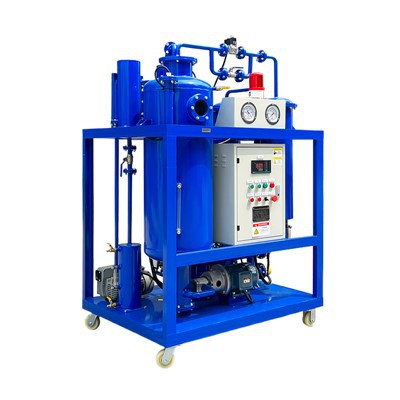
As a seasoned supplier in the field of centrifuge separators, I’ve witnessed firsthand how the size of these remarkable machines can significantly impact their performance. In this blog post, I’ll share my insights based on years of experience, discussing the various ways size affects a centrifuge separator’s efficiency, capacity, and overall functionality. Centrifuge Separator
1. Efficiency Considerations
Efficiency is a critical factor in any industrial process, and centrifuge separators are no exception. The size of a centrifuge separator plays a pivotal role in determining its efficiency, primarily through its influence on the separation process.
Separation Speed and Force
Larger centrifuge separators typically have a higher rotational speed and can generate greater centrifugal force. This increased force allows for more rapid and effective separation of different components in a mixture. For instance, in the oil and gas industry, larger centrifuge separators can quickly separate oil, water, and solids, reducing the time required for the separation process and increasing overall productivity.
However, it’s important to note that the relationship between size and separation force is not always linear. There are practical limits to the rotational speed and force that a centrifuge can safely generate, and these limits are often determined by the materials used in its construction and the design of the machine.
Residence Time
The size of a centrifuge separator also affects the residence time of the mixture within the machine. In larger separators, the mixture has more space to travel, resulting in a longer residence time. This can be beneficial for certain types of separation processes, as it allows more time for the components to separate under the influence of the centrifugal force.
On the other hand, a longer residence time can also lead to increased energy consumption and reduced throughput. Therefore, it’s crucial to find the right balance between residence time and separation efficiency based on the specific requirements of the application.
2. Capacity and Throughput
One of the most obvious ways that the size of a centrifuge separator affects its performance is in terms of its capacity and throughput. Larger separators generally have a higher capacity, meaning they can process a larger volume of material in a given period.
Batch vs. Continuous Processing
The size of the centrifuge separator can also determine whether it is suitable for batch or continuous processing. Smaller separators are often used for batch processing, where a specific amount of material is loaded into the machine, processed, and then removed. This type of processing is ideal for applications where the volume of material is relatively small and the separation process requires precise control.
Larger separators, on the other hand, are more commonly used for continuous processing, where the material is fed into the machine continuously and the separated components are removed continuously. This type of processing is suitable for high-volume applications, such as wastewater treatment and large-scale chemical production.
Feed Rate and Efficiency
The feed rate of the material into the centrifuge separator is another important factor that is affected by its size. Larger separators can typically handle a higher feed rate, which can increase the overall throughput of the process. However, if the feed rate is too high, it can lead to incomplete separation and reduced efficiency.
Therefore, it’s essential to carefully consider the feed rate and the capacity of the centrifuge separator when selecting the appropriate size for a particular application. This may require some experimentation and optimization to find the optimal balance between feed rate, capacity, and separation efficiency.
3. Maintenance and Reliability
The size of a centrifuge separator can also have a significant impact on its maintenance requirements and reliability. Larger separators generally require more maintenance and have a higher risk of mechanical failure due to their complexity and the larger number of moving parts.
Accessibility and Ease of Maintenance
Smaller centrifuge separators are often more accessible and easier to maintain. They have a simpler design and fewer components, which makes it easier to perform routine maintenance tasks such as cleaning, lubrication, and inspection. Additionally, smaller separators are typically more compact and can be installed in smaller spaces, which can make them more convenient to service.
Larger separators, on the other hand, may require more specialized equipment and trained personnel for maintenance. They may also have limited access to certain components, which can make it more difficult to perform maintenance tasks. However, many larger separators are designed with features such as removable covers and easy-to-access inspection ports to facilitate maintenance.
Reliability and Downtime
The reliability of a centrifuge separator is crucial for maintaining continuous operation and minimizing downtime. Larger separators may be more prone to mechanical failure due to their complexity and the larger number of moving parts. However, modern centrifuge separators are designed with advanced monitoring and diagnostic systems that can detect potential problems early and alert operators to take corrective action.
In addition, manufacturers of larger centrifuge separators often provide comprehensive maintenance and support services to ensure the reliable operation of their machines. This can include regular maintenance schedules, spare parts availability, and on-site technical support.
4. Cost Considerations
The size of a centrifuge separator can also have a significant impact on its cost. Larger separators generally have a higher initial purchase price, as well as higher operating and maintenance costs.
Initial Investment
The initial investment required for a centrifuge separator depends on its size, capacity, and features. Larger separators with higher capacities and more advanced features typically cost more than smaller separators. However, it’s important to consider the long-term benefits and cost savings that can be achieved with a larger separator, such as increased productivity and reduced operating costs.
Operating and Maintenance Costs
The operating and maintenance costs of a centrifuge separator also depend on its size. Larger separators generally consume more energy and require more maintenance, which can result in higher operating costs. However, these costs can be offset by the increased productivity and efficiency of the larger separator.
In addition, manufacturers of centrifuge separators often offer energy-efficient models that can help reduce operating costs. These models may use advanced motor technology, variable frequency drives, and other energy-saving features to minimize energy consumption.
5. Conclusion
In conclusion, the size of a centrifuge separator has a significant impact on its performance, efficiency, capacity, maintenance requirements, and cost. When selecting a centrifuge separator for a particular application, it’s essential to carefully consider these factors and choose the size that best meets the specific needs of the process.

As a centrifuge separator supplier, I’m committed to helping my customers make informed decisions about the size and type of centrifuge separator that is right for their applications. I offer a wide range of centrifuge separators in different sizes and configurations, as well as comprehensive technical support and after-sales service.
Phosphate Ester Fire-Proof Oil Purifier If you’re interested in learning more about our centrifuge separators or have any questions about their performance or selection, please don’t hesitate to contact me. I’d be happy to discuss your specific requirements and provide you with a customized solution that meets your needs and budget.
References
- Svarovsky, L. (1990). Solid-Liquid Separation. Butterworth-Heinemann.
- Strumillo, C., & Kudra, T. (1986). Drying: Principles, Applications, and Design. Gordon and Breach Science Publishers.
- Eqbal, M. A., & Kumar, A. (2015). Centrifugation in Biological Sciences. Springer.
Chongqing TOP Oil Purifier Co., Ltd.
Chongqing TOP Oil Purifier Co., Ltd. is one of the most experienced centrifuge separator manufacturers and suppliers in China. Please rest assured to buy CE approved centrifuge separator made in China here from our factory. We also accept customized orders.
Address: No.1, Jianlong North Rd, Jiulongpo District, Chongqing, China
E-mail: sales@topoilpurifier.com
WebSite: https://www.xboilpurifier.com/
