Police use of batons, also known as nightsticks or side arms, is a topic that evokes a wide range of reactions from the public. As a police baton supplier, I have witnessed firsthand the role these tools play in law enforcement. In this blog post, I’ll explore how often police use batons, the factors influencing their usage, and the implications for both law enforcement and the communities they serve. Police Baton
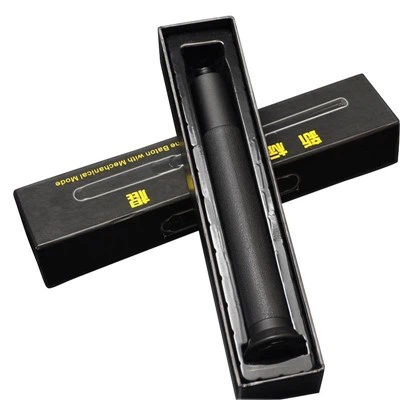
How Frequently Do Police Use Batons?
Determining precisely how often police use batons is a complex task. There isn’t one centralized database that captures all baton – related incidents across the United States or globally. The frequency varies widely depending on the region, the nature of the policing environment, and the specific law enforcement agency.
Some large urban police departments with high – crime rates may report more frequent baton use compared to rural or suburban agencies. For example, in cities with a large population density and high levels of gang activity, officers might be faced with more confrontational situations where they consider using a baton as a less – lethal force option. According to a study from a well – regarded criminology research institute, in these high – stress urban areas, officers may use batons several times a month. However, in smaller, quiet communities, baton usage might be limited to only a few times a year, or even less.
It’s important to note that the frequency can also change over time. As police departments adopt new training programs and de – escalation techniques, the reliance on batons may decrease. For instance, many modern police academies now emphasize communication skills and conflict resolution strategies to defuse tense situations before resorting to force, including the use of batons.
Factors Influencing Baton Use
Several key factors influence how often police officers reach for their batons.
Threat Level
The most obvious and crucial factor is the level of threat presented by a suspect. If an officer believes that a suspect poses an immediate physical threat, such as actively attacking the officer or others, the use of a baton may be considered. For example, in a domestic violence situation where a suspect is aggressively swinging a weapon, the officer may use the baton to disarm the person.
Training and Department Policy
Police officers undergo extensive training on when and how to use batons. Departmental policies also play a significant role. Some departments may have strict guidelines that require officers to attempt de – escalation measures before using a baton, while others may be more lenient in certain high – risk situations. Officers are trained to use the minimum amount of force necessary to control a situation, but the perception of what is "necessary" can be influenced by department policies and training.
Public Resistance
When members of the public resist arrest or refuse to comply with officers’ instructions, the likelihood of baton use increases. Non – compliant suspects may engage in passive resistance, such as refusing to stand up or walk, or active resistance, like pushing or kicking the officers. In these cases, officers may use the baton to gain control of the situation and ensure their safety and the safety of others.
Community and Media Scrutiny
In recent years, increased community and media scrutiny have influenced police behavior. High – profile cases of police use of force, including baton use, have led to public outcry and calls for more accountability. As a result, officers may be more hesitant to use batons, even in situations where they might have previously considered it appropriate. This can lead to a decrease in baton use, but it also means that officers need to find alternative ways to manage difficult situations.
Impact on Law Enforcement and Communities
The frequency of baton use has significant implications for both law enforcement and the communities they serve.
For Law Enforcement
For officers, the use of batons can have both physical and psychological consequences. Physically, using a baton in a confrontation can put officers at risk of injury, as suspects may try to grab the baton or retaliate. Psychologically, the decision to use force, including baton use, can be a source of stress and anxiety for officers. They may worry about whether they used the appropriate amount of force and how their actions will be perceived by the public and their superiors.
On the positive side, batons can be an effective tool for officers to protect themselves and others. In situations where a suspect is aggressive and non – compliant, a baton can be used to gain control without resorting to more lethal force, such as a firearm.
For Communities
The use of batons by police can have a profound impact on community relations. When batons are used appropriately, it can enhance public safety and give the community a sense of security. However, if batons are used excessively or inappropriately, it can lead to mistrust and resentment between the police and the community. Incidents of unjust baton use can spark protests and social unrest, as seen in many cities around the world.
The Role of a Police Baton Supplier
As a police baton supplier, we understand the importance of providing high – quality, reliable batons to law enforcement agencies. Our products are designed to meet the strict standards of modern policing, ensuring that officers have a tool that is effective and safe to use.
We work closely with police departments to understand their needs and provide them with the right type of batons. Different situations may call for different types of batons, such as expandable batons for easy carry and deployment, or fixed – length batons for more heavy – duty use. We also offer training and support to officers on how to use our batons safely and effectively.
In addition, we are committed to promoting responsible baton use. We believe that batons should be used as a last resort, after all other de – escalation techniques have failed. By providing high – quality products and promoting proper training, we hope to contribute to a safer and more just society.
Conclusion
The frequency of police baton use is a complex issue that is influenced by many factors, including threat level, training, department policy, public resistance, and community scrutiny. While batons can be an effective tool for law enforcement, their use must be balanced with the need to maintain positive community relations and ensure the safety of all involved.
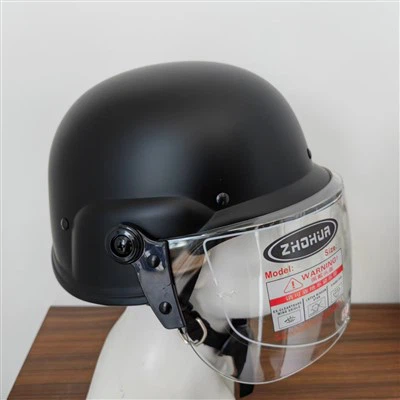
As a police baton supplier, we play a crucial role in this process. We are dedicated to providing law enforcement agencies with the best possible products and support, while also promoting responsible baton use.
Riot Gear If you’re representing a law enforcement agency or are involved in procurement for the police, I invite you to get in touch to discuss our range of police batons. We are eager to work with you to ensure that your officers have the tools they need to do their jobs safely and effectively.
References
- Criminology Research Institute Report on Police Force Use. 20XX.
- National Association of Police Chiefs Guidelines on Baton Use. 20XX.
- Studies on Community – Police Relations and Use of Force. Various Publications. 20XX – 20XX.
Jiangsu Jiuan Police Equipment Manufacturing Co., Ltd.
Address: No. 9, Xihuan South Road, Jingjiang City, Jiangsu Province
E-mail: viola@jiuanpolice.cn
WebSite: https://www.japolice.com/
