If you’ve ever stepped into a fancy downtown office tower on a sweltering summer day and suddenly sighed in relief at the crisp, consistent air, there’s a good chance a water cooled condenser is part of the team making that happen. I’m not just some random HVAC guy rambling— I’ve spent the last 8 years selling and supporting these systems, so I’ve seen firsthand how water cooled condensers aren’t just an industrial afterthought, they’re the unsung backbone of how modern commercial buildings stay functional, comfortable, and even profitable. Let me break down exactly where they show up, why they matter, and why every building manager should care. Water Cooled Condenser
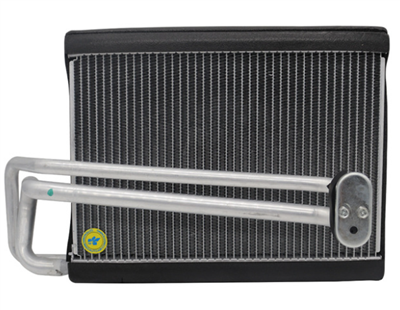
First, let’s cut through the jargon real quick because I know “condenser” sounds like something out of a college thermo class I half-slept through. Here’s the simple version: when an HVAC system cools air, it absorbs heat from that air and has to get rid of that heat somewhere. Water cooled condensers do that job by transferring that heat to circulating water, which then dumps it outside— instead of using a fan blowing air over metal coils like air cooled condensers do. That core difference is why they work way better for big, high-energy buildings. Now, let’s talk about the actual commercial building use cases, because that’s what you’re here for.
Office towers are probably the first place most people picture big commercial buildings, and they’re the number one user of water cooled condensers. Think about a 50-story office building in NYC or Chicago— that’s not 100 people, that’s 10,000+ employees, all sitting in cubicles or conference rooms needing cool air 10 hours a day, 5 days a week. The load here is massive, and unpredictable— if the whole sales team is cranking a conference room AC for a big pitch, or if the server room in the basement is running 24/7, you need a system that can handle extra heat without breaking a sweat. I worked with a building manager in Boston last year whose old air cooled AC unit kept dying during heatwaves because it couldn’t pull enough air to dump all the heat. We swapped in a water cooled condenser system, and his energy bills dropped 28% in the first quarter— no more mid-July emergency service calls at 2 a.m. for his maintenance team. Also, office towers have consistent load all week, so the efficiency of water cooled condensers really shines here. Unlike residential systems that only run a few months a year, commercial office HVAC runs 12+ hours a day, every weekday, so the lower operating costs add up fast.
Next up: hospitals. Oh man, hospitals are a whole different ballgame when it comes to HVAC. You can’t mess around with cooling— the ER needs to be 72 degrees at all times, the ICU can’t handle even a 2-degree temp spike, and the laundry and kitchen areas are pumping out insane amounts of heat that other parts of the building don’t. I once did a site visit to a hospital in Cleveland where their old system failed during a summer heatwave, and the maternity ward had to move patients to a cooler wing because their AC was out for 4 hours. Water cooled condensers are perfect here because they can handle variable, high heat loads without dropping efficiency. Also, hospitals need super reliable systems— downtime isn’t an option. Water cooled systems have fewer moving parts in the outdoor unit compared to big air cooled chillers, so there’s less to go wrong. Plus, some hospitals pair their water cooled condensers with heat recovery loops. Wait, that’s a game-changer— instead of just dumping the heat absorbed from the air outside, they reuse it to heat water for patient showers, kitchen use, or even space heating in the winter. We had a 200-bed hospital that cut their hot water energy use by 40% using that setup. That’s not just good for the hospital’s budget, it’s way better for their carbon footprint too, which is a big deal for healthcare facilities trying to meet sustainability goals.
Then there’s retail spaces— big box stores, malls, grocery stores. Let’s take a grocery store first: you’ve got to cool the air for shoppers, but you also have freezers and refrigerated cases running 24/7, which pump out way more heat than any office. A Walmart or Kroger with 100,000 square feet of sales floor and 20,000 square feet of refrigerated space needs a system that can handle that constant, heavy load without blowing the budget. A water cooled condenser paired with a supermarket chiller can manage both the air conditioning and the refrigeration loads at the same time, because they share the heat transfer loop. I worked with a grocery chain in Florida that was spending $120k a year just on HVAC and refrigeration energy. After switching to water cooled condensers and a shared loop, that number dropped to $82k a year. Malls are similar too— they have dozens of small stores, all running their AC, plus common areas that need to stay cool even when individual stores close for the night. Water cooled systems let you adjust cooling to different zones of the mall, so you don’t waste energy cooling the empty food court at 10 p.m. That zoning flexibility is huge for retail, where foot traffic fluctuates all day.
Another one I don’t hear people talk about enough: data centers. Everyone knows data centers run 24/7, cranking out massive amounts of heat from all those servers. A single server rack can produce as much heat as a small apartment, so you need a cooling system that can move that heat away fast and efficiently. Air cooled systems struggle here because they have to push a lot of air, which means big, noisy outdoor units that take up tons of space. Water cooled condensers are way more space-efficient— the piping is smaller than giant air ducts, so you can fit them in tighter areas. Also, their heat transfer is way more efficient, so they use less energy to move the same amount of heat. I had a data center client in Dallas whose old air cooled cooling system was using 1.2 kWh of energy per kWh of IT load (that’s called the Power Usage Effectiveness, or PUE). They swapped in a water cooled condenser setup, and their PUE dropped to 1.12— that might sound small, but for a 1 MW data center, that’s over 90,000 kWh saved every year, which adds up to thousands of dollars. Plus, data centers can use that waste heat too— some small data centers near residential areas even pipe that extra heat to nearby buildings for space heating, but that’s a niche use case right now.
Wait, let’s not forget about universities and multi-use campus buildings. A college campus has everything: lecture halls that get packed at 10 a.m., dorm rooms that need cooling at night, gymnasiums with huge open spaces, and sometimes even dining halls with industrial cooking equipment. The load here changes constantly— lecture halls are empty on weekends, dorms peak during move-in week, gyms are busy after class. Water cooled condensers handle variable load really well because you can adjust the water flow rate to match how much heat you’re transferring. I did a project at a university in Pennsylvania that had an old system that would cycle on and off constantly during peak times, which wore out the compressor fast. We installed a water cooled condenser system with variable speed drives, and the compressor lifespan went from 7 years to 12 years, and their maintenance costs dropped 35%. Also, campuses often have sustainability goals, and water cooled systems can be paired with cooling towers that use less water than you’d think if they’re maintained right— I’ll get to that myth later, but yes, they are water-efficient when sized and operated correctly.
Now, let’s address the big complaints I hear from people who are anti-water cooled condensers: “they use too much water” and “they’re too high-maintenance.” Look, that’s a myth from 20 years ago when everyone ran old, unmaintained systems. Modern water cooled condensers are way more efficient. First, the water use: most closed-loop systems recirculate water, so the only water they use is for small evaporation in the cooling tower and very minimal treatment to prevent scaling or corrosion. A well-sized system for a 100,000 square foot building uses about 15,000 gallons of water a year— that’s less than a single landscaping project for a new commercial building. And as for maintenance? Yeah, you can’t just ignore them like you can some cheap air cooled system, but the maintenance is mostly simple: checking water pH levels, cleaning strainers, and making sure the pump is working. We offer 24/7 support for all our clients, so if there’s ever an issue, we’re on-site within 4 hours for most commercial areas. I’ve had customers tell me they thought water cooled systems were high-maintenance until they switched, and now they say it’s easier than dealing with the constant filter changes and fan repairs on their old air cooled units.
Another big application I’ve seen grow lately: mixed-use developments. These are buildings that have retail on the ground floor, offices on the middle floors, and apartments on the top. They’re super popular in cities now, but they pose a problem because each space has different cooling needs— retail stays open late, offices work 9-5, apartments need cooling when residents are home, which might be evenings and weekends. Water cooled condensers let you have a central system that serves all zones, so you don’t need separate AC units for each part of the building, which saves space and money. I worked on a mixed-use building in Austin that has 10,000 square feet of retail, 20,000 square feet of offices, and 50 residential units. The building owner was spending $150k a year on separate units for each part, and after switching to a central water cooled condenser system, that dropped to $98k a year. Plus, residents love it because the cooling is more consistent than the mini-split units they had before— no more hot spots by the windows.
Wait, let’s also talk about energy prices, because that’s a huge deal right now. Commercial energy costs have gone up 30% in the last 5 years, especially during peak summer months when utilities charge way more for power. Water cooled condensers are way more efficient than air cooled systems, especially in hot climates. For example, in Phoenix, where summer temps hit 110 degrees, an air cooled condenser has to work way harder to dump heat, which uses more electricity. A water cooled system transfers heat to water, which is way better at carrying heat than air, so it uses 20-40% less energy for the same cooling load. That’s not just a small savings— for a big building, that’s tens of thousands of dollars a year. I had a client in Phoenix who was paying $220k a year for energy on their old system, and after switching, it was $145k. That’s almost $75k a year in their pocket, just from switching to a water cooled condenser.
Now, let’s get real about who this is for. If you have a small commercial building under 10,000 square feet, a water cooled condenser might not be the best fit— the upfront cost is higher, and the efficiency gains don’t offset the cost for small spaces. But if you’re anything over that, especially if you have consistent or high variable heat loads, or if you’re looking to cut energy costs and improve reliability, it’s worth a hard look. I see too many building managers stick with old air cooled systems because they don’t want to deal with the perceived hassle, but when the heatwave hits and their unit dies, they end up spending way more on emergency repairs and lost revenue than they would have spent on a new system.
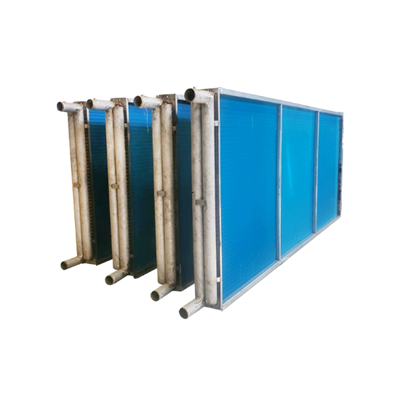
Look, I’ve been in this game long enough to know that HVAC isn’t sexy, but it’s the thing that keeps commercial buildings running, keeps employees happy, keeps patients safe, and keeps stores open. Water cooled condensers aren’t just a piece of equipment— they’re an investment that saves money, improves efficiency, and reduces downtime for all kinds of commercial spaces. If you’re a building manager, facilities director, or property owner looking to upgrade your HVAC system, stop guessing and start talking to someone who knows water cooled condensers inside and out. We can do a free site assessment, walk through your current system, calculate exactly how much you could save, and find a setup that fits your building’s needs, budget, and sustainability goals. Don’t wait until the next heatwave hits— by then it’s too late.
Evaporator References:
- Air-Conditioning Contractors of America (ACCA). Commercial HVAC System Efficiency Guide, 2022
- U.S. Department of Energy. "Water-Cooled Condensers for Commercial Buildings", Energy Efficiency and Renewable Energy Office, 2021
- ASHRAE Handbook: HVAC Systems and Equipment, Chapter 44 – Condensers, 2023
- Grocery Manufacturers Association. Supermarket HVAC and Refrigeration Energy Best Practices, 2022
- Uptime Institute. Data Center Cooling Efficiency Benchmark Report, 2023
Xiangshui Derkang Refrigeration Equipment Co., Ltd.
Address: No. 2, Xiaojian Town Entrepreneurship Park, Xiangshui County
E-mail: 505745223@qq.com
WebSite: https://www.xsderk.com/
