If you’ve ever stood in the back of a honey processing facility, watching jars of golden, viscous honey trickle into containers that used to be empty plastic bottles, you’ve probably wondered how that process gets done so consistently. Ten years ago, when I first started working as a honey filling machine supplier, I watched small apiaries pour honey by hand, one jar at a time, losing hours to messy spills and inconsistent fill levels. Today, most of those same operations rely on hydraulic honey filling machines, a tool that’s transformed how commercial and mid-sized honey producers handle bottling. I’ve spent thousands of hours troubleshooting, modifying, and shipping these machines, and through that work, I’ve learned that “hydraulic” doesn’t just refer to a fancy mechanical system—it’s the reason these machines handle honey’s unique properties better than most other filling options. Honey Filling Machine
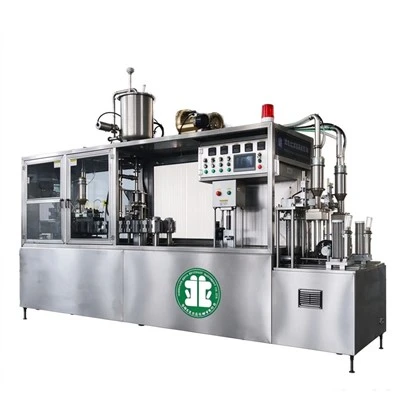
Let’s start with the basics: honey is not a thin, runny liquid like water. Its viscosity ranges from 1,500 to 10,000 centipoise, depending on moisture content, temperature, and the type of honey. That means it’s thick, slow to flow, and prone to sticking to surfaces, which makes filling tricky. A standard gravity filler, which uses just the weight of the liquid to pour, will leave uneven fills, slow down production, and often have to be reset every time a new batch of honey with different viscosity comes in. Hydraulic systems solve this by using pressurized fluid—usually food-grade vegetable oil or water—to power the piston or pump that moves honey into jars, instead of relying only on gravity. This direct pressure control is the biggest advantage for honey producers. You can adjust the pressure in real time to match the honey’s current thickness, so a batch of clover honey, which is thinner, fills faster, while a thicker, raw wildflower honey fills at a slower, more controlled rate without spilling or foaming over.
Early on, I sold my first hydraulic honey filling machine to a 15,000-pound-a-year apiary in central Minnesota. They had been using a manual pump filler, and they spent two full hours every morning just filling 500 1-pound jars, with 10 to 15 jars breaking or overflowing each shift. When they switched to the hydraulic model, their downtime dropped by 75%—they filled the same number of jars in 30 minutes, and waste went down to less than two jars a day. That story stuck with me because it’s exactly why these machines matter for small to mid-sized operations that can’t afford to waste honey, especially when honey prices can hit $4 a pound wholesale. Hydraulic systems also reduce air exposure during filling, which is key for raw honey producers. Raw honey needs to stay unheated and unfiltered to keep its enzymes and antioxidants intact, and hydraulic fillers don’t require high heat or extra pumping that would aerate the honey. Air bubbles not only make the jar look less appealing; they can also speed up fermentation, which ruins a batch of honey.
Over the years, I’ve seen a lot of common misconceptions about hydraulic honey filling machines. Some producers think they’re too expensive, but when you factor in labor costs and waste, the return on investment is usually within 12 to 18 months, even for a small operation. Others worry about maintenance—specifically, that the hydraulic system will leak or break down frequently. That’s why I always recommend models with food-grade seals, stainless steel components, and easy-to-access pressure gauges. The good ones have self-lubricating hydraulic pumps, so you don’t have to add special oils or clean the internal components often. I also work with every client to create a maintenance checklist—weekly checks of seal tightness, monthly calibration of pressure settings, and a quick flush of the filling lines with warm water after each shift. Most breakdowns I’ve dealt with have been from skipping those small steps, not from the machine itself being faulty.
Another big benefit of hydraulic honey filling machines is their adaptability. A lot of my clients don’t just fill honey—they might also fill maple syrup, jam, or other thick food products. A quality hydraulic filler can switch between products in 10 to 15 minutes, no special tools required. You just adjust the pressure setting and clean the lines, and it’s ready to go. That flexibility is a game-changer for operations that diversify their products. Last year, a client in Vermont used his hydraulic filler for honey in the summer and apple butter in the fall, and he told me it let him use one machine instead of buying two separate fillers, saving him over $8,000. I’ve also modified some machines to handle jars of different sizes—from 2-ounce sample jars to 5-gallon buckets—without replacing any parts. That adaptability makes hydraulic fillers a long-term investment, not just a temporary fix.
I should also talk about food safety, which is non-negotiable for any honey business. Honey is a natural product, so the machine parts that touch the honey have to meet FDA standards for food contact. Hydraulic fillers are often easier to sanitize than other types because the filling heads are made of smooth stainless steel, and the lines can be fully disassembled for deep cleaning. Some of the older fillers I sold early on had plastic parts that would degrade over time, and honey would get trapped in crevices, leading to mold or cross-contamination. Now, I only sell machines with fully stainless steel wetted parts, and I walk every new client through the right way to take apart and clean their filler. A lot of small producers don’t realize that improper sanitation can lead to honey spoiling, which hurts their brand and leads to returns.
Of course, no machine is perfect, and hydraulic honey filling machines aren’t for everyone. If you’re a hobby beekeeper producing less than 500 pounds of honey a year, a manual pump or even a time-and-pressure filler might make more sense, since a hydraulic machine’s cost might not justify the use. But for any operation that’s scaling up—producing 1,000 pounds or more annually—hydraulic systems will pay for themselves quickly. The key is working with a supplier who understands honey, not just generic filling machines. A lot of filling machine companies make equipment for water or soda, and they don’t adjust for honey’s thickness, so their machines will either underfill or overfill. I test every machine before it ships to a client, running it with a sample of their actual honey to make sure the pressure is set correctly, so there’s no guesswork when it arrives.
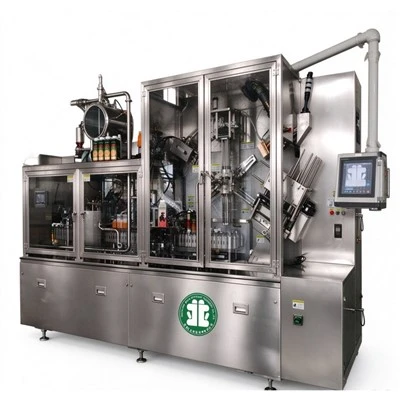
I’ve been in this industry for 12 years, and I’ve seen hundreds of producers grow because of a good filling machine. What I love most about hydraulic honey fillers is that they don’t just speed up production—they let producers focus on what they do best: beekeeping and making high-quality honey, instead of spending all day filling jars. If you’re a honey producer looking to cut down on waste, reduce labor, and scale your operation without chaos, I’d be happy to walk you through the different models, talk about maintenance, and help you figure out which machine fits your needs. I’ve worked with operations all over North America, from small apiaries in the Pacific Northwest to large co-ops in the Southeast, and I know how to match a machine to your specific workflow.
Wine Filler Machine References
- Food and Drug Administration. (2021). Grade A Pasteurized Honey Standards. U.S. Department of Health and Human Services.
- Mitchell, D. (2019). Viscosity Characteristics of Raw and Processed Honey. Journal of Food Processing and Preservation, 43(6), e13982.
- National Honey Board. (2020). Commercial Honey Processing Best Practices. National Honey Board, Boulder, CO.
Shenyang Beiya Beverage Machinery Co., Ltd.
With abundant experience, we are one of the most professional honey filling machine manufacturers and suppliers in China. If you’re going to buy customized honey filling machine made in China, welcome to get quotation from our factory. For price consultation, contact us.
Address: No.2-1, Tongling Street, Yuhong District, Shenyang City, Liaoning Province, China
E-mail: market@sybeiya.com
WebSite: https://www.chinafilling.com/
