Hey everyone, and welcome to our little corner of the web—yours go-to spot for all things freeze-dried fruit from a supplier who’s actually in the thick of it, not just regurgitating Google stats. If you’ve ever stood in a grocery store staring at the dried fruit aisle, scrolling past $12 bags of freeze-dried strawberries and $3 punnets of fresh ones, you’ve probably asked the same question: Are freeze-dried fruits really more expensive than fresh? Spoiler: Yes… but not in the way you might think, and there’s way more math and science behind it than just “they cost more to make.” Freeze-Dried Fruits
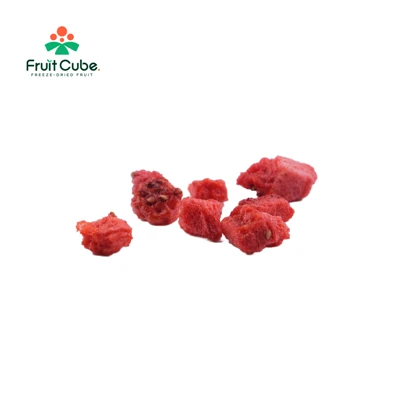
Let’s start with the basics—what even is freeze-drying, for anyone who’s not a food nerd like me? It’s not that “dry” fruit they sell at gas stations that’s been roasted in sugar and baked until it’s crunchy (no shade to that, but it’s totally different). Freeze-drying is a preservation process where you freeze fruit solid, then suck all the water out using a vacuum. No heat, no added sugars, no weird preservatives—just the fruit’s natural flavor, shrunken down to about 20% of its original size, and it lasts for MONTHS without refrigeration. That process sounds fancy, right? And it is, but let’s break down why that translates to price tags.
First, the weight thing. Fresh fruit is, well, 80 to 95% water, depending on the type. A single fresh strawberry, for example, is like 91% water. When we freeze-dry it, all that water gets removed. So a 1-ounce bag of freeze-dried strawberries isn’t just a “small portion”—it’s the equivalent of 5 to 6 whole cups of fresh strawberries. Wait, let me do the math for you: If a pint of fresh strawberries is $4, and that makes about 1 ounce of freeze-dried, that’s already $4 right there—before we even factor in the cost of the freeze-drying equipment, energy, labor, and packaging. Compare that to a 1-ounce bag of fresh strawberries, which is basically just a couple of berries for $1.50. That’s a big gap, but here’s the catch: You can’t eat 5 cups of fresh strawberries in one sitting easily, but a 1-ounce bag of freeze-dried is a perfect snack. So it’s not just more expensive—it’s more concentrated, and less wasteful in the long run, which is a point most suppliers (okay, most people) don’t talk about.
Now, let’s get into the real costs that make freeze-dried pricier than fresh. I’ve been running this side of the business for 7 years, and I’ve seen first-hand how the machinery hits your bottom line. A commercial freeze-dryer isn’t that $50 countertop model you see on Amazon for home use—those are for personal batches, not for 500-pound runs every week. A proper industrial freeze-dryer costs tens of thousands of dollars, and it uses a TON of energy. When you’re freezing fruit to -40°F or lower, then running a vacuum for 20 to 30 hours per batch, your electric bill spikes. We’ve had months where energy costs alone add $0.50 to every bag of freeze-dried bananas we make. Add in labor—someone’s got to sort the fruit (we reject any bruised or overripe ones, even if they’d be fine for fresh), load the trays, monitor the machines, and package the final product. Fresh fruit only needs someone to pick, wash, and pack, which is way less hands-on work.
Then there’s the waste factor. Fresh fruit has a shelf life of, what, 3 to 7 days for most soft fruits? If a grocery store overbuys, that fruit gets tossed. For freeze-dried, we start with the same fruit, but only the top tier—no blemishes, perfect ripeness. We can’t use slightly squishy apples or strawberries for freeze-drying, because the texture would be off. So we’re working with a smaller, higher-quality batch upfront. That means we’re paying for fruit that’s not just cheap bulk produce, but stuff that’s ready to be freeze-dried, which adds to the cost. Fresh fruit can be a little less than perfect and still sell, but for freeze-dried, it’s all or nothing.
Wait, but let’s not pretend there aren’t times when fresh is a way better deal. If you’re buying in bulk for a party or canning, fresh is almost always cheaper. If you need a big bowl of fruit for a smoothie bowl this weekend, grab fresh berries—they’re way cheaper for volume. But if you’re a parent packing school lunches, a hiker looking for a lightweight snack, or someone who hates throwing away half a bag of fresh fruit because it went mushy, freeze-dried might actually be a smarter financial choice long-term. Let’s say you buy a $3 bag of fresh grapes, and half of them go bad before you eat them. You just spent $1.50 on garbage. A $5 bag of freeze-dried grapes? They last 6 months in your pantry, and you can eat as much as you want without wasting any. That’s a cost difference most people miss when they’re just looking at the shelf tag.
Another thing: Transport and storage. Fresh fruit needs to be refrigerated the entire time it’s in the supply chain—trucks, warehouses, grocery stores, all need climate control. That adds to the carbon footprint, and also to the cost. Freeze-dried fruit is lightweight, doesn’t need refrigeration, and has a 12 to 18 month shelf life. We can ship it in regular boxes, no coolers, which saves on shipping costs and means we don’t have to mark up the price to cover refrigeration. A lot of people don’t factor in those hidden supply chain costs when comparing fresh and freeze-dried. We recently did a small run for a local café, and they told us their fresh fruit costs were 30% higher than their freeze-dried, because of spoilage and refrigeration fees. That’s a real example, not just theory.
Now, let’s address the elephant in the room: Is there any way freeze-dried is cheaper than fresh? On rare occasions, yes—like if fresh fruit is out of season and super pricey. Have you ever paid $8 for a punnet of raspberries in January? That’s when our freeze-dried raspberries, which are made from fruit picked at peak summer, taste the same and are cheaper than out-of-season fresh. Also, if you’re buying bulk from a supplier like us for events, bakeries, or meal kits, we can discount large orders, so it narrows the gap a lot. We just did a 50-pound order for a bakery that uses freeze-dried fruit in their cupcakes, and they ended up paying less per ounce than if they’d bought fresh raspberries that same month. It’s all about use case and quantity.
Wait, but let’s talk quality, because that’s tied to price too. When you freeze-dry fruit, you lock in all the vitamins and fiber— studies show freeze-dried fruit has the same nutrients as fresh, because there’s no heat processing that destroys them. Fresh fruit loses nutrients the longer it’s stored, right? A grocery store apple might have been picked 2 weeks before you buy it, so some of the vitamin C is gone. Our freeze-dried apples are picked and frozen within 24 hours, so they keep all that vitamin C. So when you’re paying for freeze-dried, you’re not just paying for convenience—you’re paying for a product that’s nutrient-dense and has less waste.
I’ve heard so many people say, “Why would I pay more for something that’s just dehydrated fruit?” But dehydration is different from freeze-drying. Regular dehydrated fruit uses heat, which can make it chewy, add sugars sometimes, and lose nutrients. Freeze-dried is crunchy, retains flavor, and is way lighter. That difference in process directly impacts the cost, and it’s not something most people see on the shelf. A lot of budget dried fruit brands cut corners, use lower-quality fruit, or add sugar, which makes their products cheaper, but they’re not the same as our freeze-dried options.
Now, let’s get real about supplier stuff, because that’s the side no one talks about. Small suppliers like us don’t have the same bulk discounts as big fresh fruit companies. We buy our fruit from local farms, not global distributors, because we care about quality. That means we pay a little more for the raw fruit, but it’s pesticide-free, picked at peak ripeness, and supports local farmers. Big fresh fruit brands can get fruit from across the world for cheap, which is why their fresh prices are lower. We can’t compete with that when it comes to raw fruit costs, but we can compete on quality and waste reduction, which is what our customers care about.
So, putting it all together: Freeze-dried fruits are usually more expensive upfront than fresh, but that price gap tells a story about process, quality, and waste. It’s not just “freeze-dried = fancy” — it’s the cost of equipment, energy, labor, and high-quality raw fruit, plus the savings you get from less spoilage and easier storage and transport. For some people, that extra cost is worth it for the convenience, shelf life, and nutrition. For others, fresh is still the way to go, especially for immediate use.
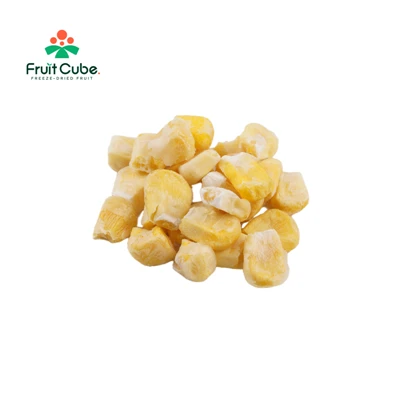
If you’re a retailer, a café, a meal kit company, or someone who buys fruit in bulk for events, we can help you make that call. We’ve worked with all kinds of businesses, from small local bakeries to large school districts, and we can give you a custom quote that’s tailored to your needs. No hidden fees, no weird fine print—just straight-up pricing based on what it takes to make a great freeze-dried product. If you’re tired of dealing with fresh fruit spoilage, high refrigeration costs, or inconsistent quality, let’s chat. We’d love to show you how freeze-dried can fit into your budget, without cutting corners.
Freeze-Dried Fruits References
- U.S. Food and Drug Administration. (2022). Food Preservation Methods: Freeze-Drying vs. Dehydration.
- Journal of Food Science. (2021). Nutrient Retention in Freeze-Dried Fruits Compared to Fresh and Thermally Dehydrated Fruits.
- Agricultural Marketing Resource Center. (2023). Supply Chain Costs for Fresh vs. Processed Fruits.
- National Association of Specialty Food Dealers. (2022). Consumer Pricing Trends in Dried and Freeze-Dried Fruits.
Fruit Cube (Shandong) Food Technology Co., Ltd.
As one of the most professional freeze-dried fruits manufacturers and suppliers in China, we’re featured by quality products and good service. Please rest assured to wholesale bulk freeze-dried fruits for sale here from our factory. For price consultation, contact us.
Address: Room 1001, Building 2, Dongyi Cultural and Creative Park, Yihe New District, Linyi City, Shandong Province
E-mail: sales@freezedried-fruit.com
WebSite: https://www.freezedried-fruit.com/
