Hey there! I’m a supplier of metal distribution cabinets, and I’m super stoked to chat with you about what makes these bad boys tick. Metal distribution cabinets are like the unsung heroes of the electrical world. They’re not the flashiest things out there, but they play a crucial role in keeping our electrical systems running smoothly. So, let’s dive right in and take a look at the main components of a metal distribution cabinet. Metal Distribution Cabinet
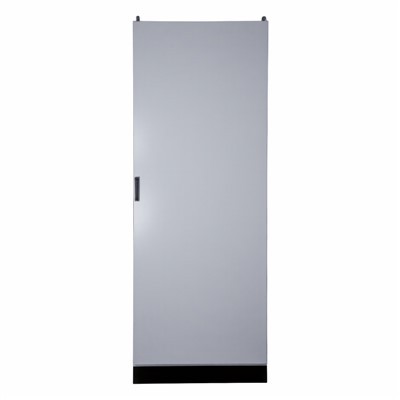
Enclosure
The first thing you’ll notice about a metal distribution cabinet is its enclosure. This is basically the outer shell that houses all the other components. The enclosure is usually made of high – quality metal, like steel or aluminum. Steel is tough and durable, making it a great choice for heavy – duty applications. Aluminum, on the other hand, is lightweight and corrosion – resistant, which is perfect for outdoor or coastal installations.
The enclosure has to be strong enough to protect the internal components from physical damage, dust, and moisture. It also needs to be well – sealed to prevent any electrical hazards. Most enclosures have a door that can be locked, which adds an extra layer of security. And let me tell you, security is a big deal when you’re dealing with electrical equipment.
Busbars
Busbars are another key component of a metal distribution cabinet. These are thick strips of copper or aluminum that conduct electricity. They act as a central hub for distributing power within the cabinet. Think of them as the highways of the electrical system, carrying electricity from the main power source to all the different circuits.
Busbars need to be able to handle a large amount of current without overheating. That’s why they’re made of highly conductive materials. The size and shape of the busbars depend on the amount of power the cabinet needs to distribute. In some cabinets, you might even have multiple busbars to handle different types of loads.
Circuit Breakers
Circuit breakers are like the guardians of the electrical system. Their job is to protect the cabinet and the connected equipment from overcurrent and short – circuits. When there’s too much current flowing through a circuit, the circuit breaker trips and cuts off the power. This prevents damage to the equipment and reduces the risk of electrical fires.
There are different types of circuit breakers, and each one is designed for a specific application. For example, miniature circuit breakers (MCBs) are used for protecting small circuits, while molded case circuit breakers (MCCBs) are used for larger loads. The selection of the right circuit breaker depends on the current rating and the type of load.
Fuses
Fuses are similar to circuit breakers in that they also protect the electrical system from overcurrent. However, fuses work a little differently. A fuse contains a thin wire that melts when too much current flows through it, breaking the circuit. Once a fuse blows, it needs to be replaced.
Fuses are often used as a backup protection in case the circuit breaker fails. They’re simple and reliable, but they can be a bit of a hassle to replace. That’s why many modern metal distribution cabinets rely more on circuit breakers, but fuses are still an important part of the overall protection system.
Contactors
Contactors are used to control the flow of electricity to different circuits. They’re like switches, but they can handle much higher currents. Contactors are often used in motor control applications, where they can start, stop, and reverse the direction of a motor.
A contactor consists of a coil and a set of contacts. When the coil is energized, it creates a magnetic field that closes the contacts, allowing electricity to flow. When the coil is de – energized, the contacts open, cutting off the power. Contactors are essential for controlling large electrical loads safely and efficiently.
Relays
Relays are similar to contactors, but they’re used for controlling smaller electrical signals. They can be used to switch circuits on and off based on certain conditions, like temperature, pressure, or time. For example, a relay might be used to turn on a fan when the temperature in the cabinet gets too high.
Relays are very versatile and can be used in a wide range of applications. They’re often used in conjunction with other components, like sensors and controllers, to create a more intelligent electrical system.
Terminal Blocks
Terminal blocks are used to connect wires to the different components in the cabinet. They provide a secure and organized way to make electrical connections. Terminal blocks come in different sizes and configurations, depending on the number of wires and the current rating.
When installing a metal distribution cabinet, it’s important to use the right terminal blocks to ensure a good electrical connection. Loose or faulty connections can lead to overheating and electrical failures, so it’s worth taking the time to get it right.
Surge Protectors
Surge protectors are designed to protect the electrical system from voltage surges. Voltage surges can be caused by lightning strikes, power grid fluctuations, or other electrical disturbances. These surges can damage the sensitive components in the cabinet, so it’s important to have some form of protection.
Surge protectors work by diverting the excess voltage to the ground. They’re usually installed at the input of the cabinet or at the individual circuits. There are different types of surge protectors, and the selection depends on the level of protection required.
Monitoring and Control Devices
In modern metal distribution cabinets, you’ll often find monitoring and control devices. These devices can be used to monitor the electrical parameters, like voltage, current, and temperature. They can also be used to control the operation of the cabinet, like turning on or off certain circuits.
Some monitoring and control devices are connected to a central control system, which allows for remote monitoring and control. This is especially useful in large industrial or commercial installations, where it’s not practical to have someone constantly checking the cabinet.
Cooling and Ventilation Systems
Metal distribution cabinets can generate a lot of heat, especially when they’re handling high – power loads. That’s why many cabinets are equipped with cooling and ventilation systems. These systems help to keep the temperature inside the cabinet within a safe range.
Cooling systems can include fans, heat sinks, or air – conditioning units. Ventilation systems, on the other hand, allow for the exchange of air between the inside and outside of the cabinet. Proper cooling and ventilation are essential for the long – term reliability of the cabinet and its components.
Wiring and Cabling
Last but not least, we have the wiring and cabling. This is the network of wires that connects all the components in the cabinet. The wiring needs to be properly sized and installed to ensure a safe and efficient electrical system.
When selecting wiring and cabling, it’s important to consider the current rating, the insulation type, and the environmental conditions. For example, in a wet or corrosive environment, you might need to use special cables with a higher level of protection.
Well, there you have it! These are the main components of a metal distribution cabinet. As a supplier, I know how important it is to have high – quality components in these cabinets. That’s why we source the best materials and use the latest manufacturing techniques to ensure that our cabinets are reliable and efficient.
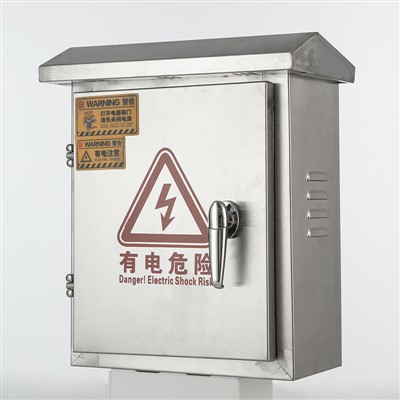
If you’re in the market for a metal distribution cabinet, or if you have any questions about the components or how they work, I’d love to chat with you. Just reach out, and we can start a conversation about your specific needs. Let’s work together to find the perfect solution for your electrical system.
Plastic Waterproof Distrbution Box References:
- Electrical Installation Handbook by Schneider Electric
- Electrical Power Distribution Handbook by McGraw – Hill
Shandong Qinghua Yike Electric Co., Ltd.
As one of the most experienced metal distribution cabinet manufacturers in China, we also support customized service. We warmly welcome you to buy durable metal distribution cabinet for sale here from our factory. If you have any enquiry about cooperation, please feel free to email us.
Address: No. 378 Taozhuang Village, Zaoyuan Town, Lanshan District, Linyi City, Shandong Province
E-mail: admin@sd-qhyk.com
WebSite: https://www.qhecobox.com/
