Embarking on the journey of starting a business using a textile loom can be an exhilarating and rewarding endeavor. As a seasoned textile loom supplier, I’ve witnessed firsthand the transformative power of these machines in turning creative visions into thriving enterprises. In this blog post, I’ll share valuable insights and practical tips to help you navigate the initial steps of establishing your own textile business. Textile Loom
Understanding the Market Landscape
Before diving headfirst into the world of textile production, it’s crucial to conduct thorough market research. This involves identifying your target audience, understanding their preferences, and analyzing market trends. Are you interested in producing high-end, artisanal textiles for the luxury market, or are you targeting a more mass-market appeal? By answering these questions, you can tailor your product offerings to meet the specific needs and demands of your customers.
One effective way to gather market insights is to attend industry trade shows and exhibitions. These events provide an excellent opportunity to network with other industry professionals, showcase your products, and stay updated on the latest trends and technologies. Additionally, online marketplaces and social media platforms can be valuable sources of information, allowing you to connect with potential customers and gain insights into their purchasing behavior.
Choosing the Right Textile Loom
Selecting the appropriate textile loom is a critical decision that can significantly impact the success of your business. With a wide range of looms available on the market, each designed for specific types of weaving and production requirements, it’s essential to choose a machine that aligns with your business goals and budget.
When evaluating different looms, consider factors such as the type of weaving you plan to do (e.g., handloom, power loom, or computerized loom), the size and capacity of the loom, the level of automation and control, and the ease of use and maintenance. Additionally, it’s important to choose a reliable and reputable manufacturer that offers quality products, excellent customer support, and comprehensive training and after-sales service.
As a textile loom supplier, I can provide you with expert advice and guidance on choosing the right loom for your business. I offer a wide range of high-quality looms from leading manufacturers, each designed to meet the specific needs and requirements of different types of textile businesses. Whether you’re a beginner looking for a simple and affordable handloom or an experienced weaver in need of a high-capacity power loom, I can help you find the perfect machine for your needs.
Sourcing Materials and Supplies
Once you’ve chosen the right textile loom, the next step is to source the materials and supplies you’ll need to start production. This includes selecting the appropriate yarns, fibers, dyes, and other materials, as well as purchasing any necessary tools and equipment.
When sourcing materials, it’s important to consider factors such as quality, cost, availability, and sustainability. Look for suppliers who offer high-quality materials at competitive prices, and who are committed to sustainable and ethical practices. Additionally, it’s a good idea to establish relationships with multiple suppliers to ensure a consistent supply of materials and to minimize the risk of disruptions to your production schedule.
In addition to sourcing materials, you’ll also need to invest in the necessary tools and equipment to support your production process. This may include items such as shuttles, bobbins, needles, scissors, and measuring tools. Make sure to choose high-quality tools that are durable and easy to use, and that are appropriate for the type of weaving you plan to do.
Developing Your Product Line
With your textile loom and materials in place, it’s time to start developing your product line. This involves designing and creating unique and high-quality textile products that will appeal to your target audience. When developing your product line, consider factors such as style, color, texture, and functionality, and aim to create products that are both visually appealing and practical.
One effective way to develop your product line is to start small and focus on a specific niche or product category. This will allow you to build your brand and reputation, and to gain valuable experience and feedback from your customers. As you gain more experience and confidence, you can gradually expand your product line and offer a wider range of products to meet the changing needs and preferences of your customers.
In addition to developing your product line, it’s also important to invest in branding and marketing to promote your products and build your brand awareness. This may include creating a professional website, social media profiles, and marketing materials, as well as participating in trade shows and exhibitions, and collaborating with other businesses and influencers in the industry.
Setting Up Your Production Space
Once you’ve developed your product line, the next step is to set up your production space. This involves choosing a suitable location for your business, setting up your textile loom and equipment, and organizing your workspace to ensure maximum efficiency and productivity.
When choosing a location for your business, consider factors such as accessibility, visibility, and affordability. Look for a location that is easily accessible to your customers and suppliers, and that has adequate parking and storage space. Additionally, make sure to choose a location that is zoned for commercial use and that complies with all local regulations and requirements.
Once you’ve chosen a location for your business, it’s time to set up your textile loom and equipment. Make sure to follow the manufacturer’s instructions carefully when installing and operating your loom, and to take all necessary safety precautions. Additionally, organize your workspace to ensure maximum efficiency and productivity, and to minimize the risk of accidents and injuries.
Managing Your Finances
Starting a business using a textile loom requires a significant investment of time, money, and effort. As such, it’s important to manage your finances carefully to ensure the long-term success of your business. This involves creating a detailed business plan, setting realistic financial goals, and developing a budget that takes into account all of your expenses and revenue sources.
When creating your business plan, make sure to include a detailed financial projection that outlines your expected income and expenses for the first few years of your business. This will help you to identify potential challenges and opportunities, and to make informed decisions about your business strategy and operations.
In addition to creating a financial projection, it’s also important to develop a budget that takes into account all of your expenses and revenue sources. This may include costs such as rent, utilities, equipment, materials, labor, marketing, and overhead. Make sure to track your expenses carefully and to adjust your budget as needed to ensure that you are staying within your financial goals.
Building a Team
As your business grows, you may need to hire additional staff to help you manage your operations and to support your growth. When building your team, look for individuals who are passionate about textiles, who have the skills and experience necessary to perform their jobs effectively, and who share your values and vision for your business.
In addition to hiring employees, you may also want to consider working with independent contractors or freelancers to support your business. This can be a cost-effective way to access specialized skills and expertise without having to hire full-time employees.
Navigating Legal and Regulatory Requirements
Starting a business using a textile loom requires compliance with a variety of legal and regulatory requirements. This may include obtaining the necessary business licenses and permits, registering your business with the appropriate government agencies, and complying with all applicable tax laws and regulations.
When navigating the legal and regulatory requirements of starting a business, it’s important to seek the advice of a qualified attorney or accountant who specializes in business law and taxation. They can help you to understand your legal obligations, to comply with all applicable laws and regulations, and to avoid any potential legal issues or penalties.
Conclusion
Starting a business using a textile loom can be a challenging but rewarding experience. By following the tips and strategies outlined in this blog post, you can increase your chances of success and build a thriving textile business that meets the needs and demands of your customers.
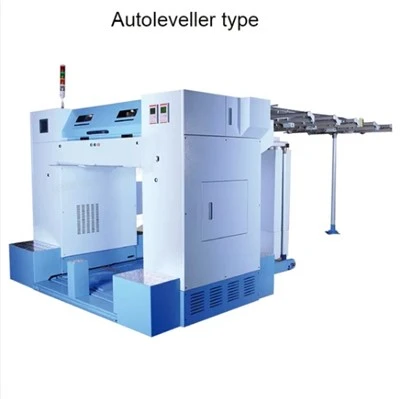
Drawing Frame Machine As a textile loom supplier, I’m committed to helping you achieve your business goals. If you’re interested in learning more about our products and services, or if you have any questions or concerns about starting a textile business, please don’t hesitate to contact me. I’d be happy to provide you with more information and to help you get started on your journey to success.
References
- Smith, J. (2020). The Complete Guide to Starting a Textile Business. New York: ABC Publishing.
- Johnson, A. (2019). Textile Weaving: Techniques and Designs. London: XYZ Press.
- Brown, C. (2018). Marketing Your Textile Products: A Step-by-Step Guide. Chicago: DEF Publications.
Shandong Hongye Machinery Co., Ltd.
Shandong Hongye Machinery Co., Ltd. is one of the most professional textile loom manufacturers and suppliers in China, featured by quality products and low price. Please rest assured to buy advanced textile loom in stock here and get quotation from our factory. Also, 1 year warranty is available.
Address: Room 1104, Building No. 2, Haier Yunjie, No. 99 Chongqing South Road, Qingdao, China
E-mail: sales@seavincn.com
WebSite: https://www.sdhymachinery.com/
