Installing an LV (Low Voltage) distribution board is a crucial process in any electrical system. As a supplier of LV distribution boards, I have witnessed the importance of proper installation firsthand. In this blog, I will share a comprehensive guide on how to install an LV distribution board, covering everything from preparation to the final checks. Lv Distribution Board
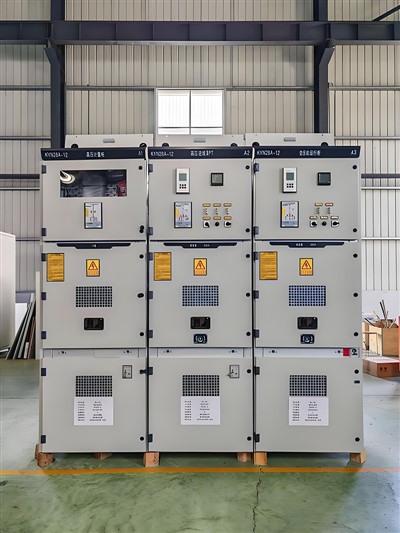
Preparation
Before you start the installation of an LV distribution board, thorough preparation is essential. This phase sets the foundation for a safe and successful installation.
Site Assessment
First and foremost, conduct a detailed site assessment. Visit the location where the distribution board will be installed. Check the available space; it should be large enough to accommodate the board and allow for easy access for future maintenance. The area needs to be dry, well – ventilated, and away from any sources of water or chemicals. Also, make sure there are no flammable materials nearby. Measure the dimensions of the installation site accurately to ensure the distribution board can fit properly.
Electrical Load Analysis
Perform an electrical load analysis. Determine the total power demand of all the electrical equipment that will be connected to the distribution board. This information will help you choose the appropriate size and rating of the distribution board. Analyzing the load also allows you to plan the circuit layout effectively, ensuring that each circuit can handle the connected load without overloading.
Gather Necessary Tools and Materials
Collect all the necessary tools and materials. Tools you will need include a drill, screwdrivers (both flat – head and Phillips – head), wire strippers, pliers, a voltage tester, and a level. In addition to the LV distribution board itself, gather mounting brackets, electrical cables, circuit breakers, fuses, and terminal blocks. Make sure all the components are of high quality and meet the relevant electrical standards.
Safety Precautions
Safety should always be a top priority. Before starting any electrical work, switch off the main power supply to the area where the installation will take place. Wear appropriate personal protective equipment (PPE), such as safety glasses, insulated gloves, and safety shoes. Have a fire extinguisher nearby in case of any unexpected electrical fires.
Installation Process
Mounting the Distribution Board
Once the preparation is complete, start by mounting the distribution board. Use the mounting brackets that came with the board or suitable ones purchased separately. Drill holes in the wall at the pre – determined locations based on the board’s mounting holes. Insert wall plugs into the holes and then attach the mounting brackets to the wall using screws. Place the distribution board on the brackets and secure it firmly with screws. Use a level to ensure the board is perfectly horizontal to prevent any stress on the internal components.
Wiring the Main Incoming Supply
The next step is to wire the main incoming supply. Connect the live (phase), neutral, and earth wires from the main electrical supply to the corresponding terminals in the distribution board. The live wire is usually colored brown in modern installations, the neutral is blue, and the earth wire is green – and – yellow striped. Use a wire stripper to remove the insulation from the ends of the cables, leaving about 10 – 15mm of bare wire. Insert the bare wire into the appropriate terminal and tighten the terminal screw firmly to ensure a good electrical connection.
Installing Circuit Breakers and Fuses
Install circuit breakers and fuses according to the circuit layout planned during the electrical load analysis. Each circuit breaker or fuse protects a specific circuit in the electrical system. Open the door of the distribution board and locate the breaker mounting rails. Clip the circuit breakers onto the rails, making sure they are properly seated and aligned. For fuses, insert them into the fuse holders. Connect the incoming and outgoing wires to the appropriate terminals of the circuit breakers or fuses. Use the correct wire gauge for each circuit based on the load it will carry.
Connecting Branch Circuits
After installing the main protection devices, start connecting the branch circuits. Run electrical cables from the distribution board to the various electrical appliances or outlets in the building. Label each cable clearly to indicate which circuit it belongs to. Connect the cables to the corresponding terminals in the distribution board, following the circuit layout. Make sure to connect the live, neutral, and earth wires correctly for each circuit.
Earthing and Bonding
Proper earthing and bonding are crucial for the safety of the electrical system. Connect the earth terminal of the distribution board to a reliable earth electrode. The earth electrode can be a metal rod driven into the ground or a metal plate buried in the soil. Use a thick copper cable for the earth connection. Also, bond all metal parts of the distribution board and any other exposed conductive parts in the electrical installation to the earth to prevent the build – up of static electricity and to provide a path for fault currents.
Testing and Commissioning
Once the installation is complete, it is time to test and commission the LV distribution board.
Visual Inspection
Conduct a thorough visual inspection first. Check all the connections to ensure they are tight and there are no loose wires. Look for any signs of damage to the cables, circuit breakers, or other components. Make sure all the labels are clear and correct.
Insulation Resistance Testing
Perform an insulation resistance test. Use an insulation resistance tester to measure the resistance between the live and neutral conductors, and between the live and earth conductors, and neutral and earth conductors. The insulation resistance should be within the acceptable range specified in the electrical standards. A low insulation resistance value may indicate a fault in the wiring or insulation damage.
Continuity Testing
Carry out a continuity test on all the circuits. Use a continuity tester to check if there is a complete electrical path in each circuit. This test helps to identify any broken wires or loose connections in the circuits.
Functional Testing
Finally, perform functional testing. Switch on the main power supply and test each circuit breaker by manually tripping it and then resetting it. Check if the electrical appliances connected to each circuit are working properly. Monitor the distribution board for any signs of overheating, abnormal noises, or other issues during the initial operation.
Maintenance and After – Sales Support
As an LV distribution board supplier, I understand that proper maintenance is essential for the long – term performance of the distribution board. Provide your customers with detailed maintenance instructions. Advise them to conduct regular visual inspections, check the connections for tightness, and test the insulation resistance periodically.
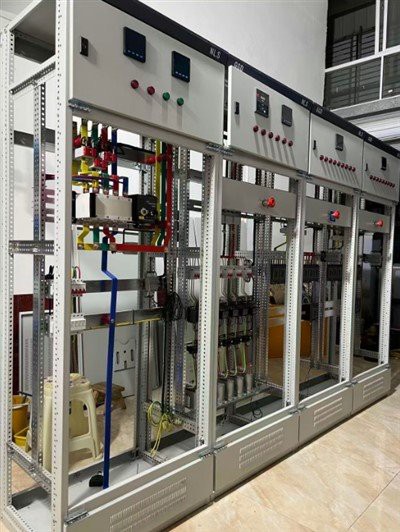
We also offer after – sales support to our customers. If there are any problems with the installation or operation of the distribution board, our team of experts is ready to assist. We can provide technical advice, arrange for on – site maintenance, or supply replacement parts as needed.
Conclusion
Distribution Box Installing an LV distribution board is a complex but highly important process. By following the steps outlined in this guide and ensuring safety throughout, you can achieve a reliable and efficient electrical installation. As a trusted supplier of LV distribution boards, we are committed to providing high – quality products and excellent support to our customers. If you are in need of an LV distribution board or have any questions about the installation process, we invite you to contact us for further discussions and potential purchase.
References
- Electrical Installation Guidebooks
- International Electrotechnical Commission (IEC) Standards for Low – Voltage Electrical Installations
- National Electrical Codes (NEC) and relevant local electrical regulations
Anhui Nanxian Electric Co., Ltd.
With abundant experience, we are one of the most professional lv distribution board manufacturers and suppliers in China. We warmly welcome you to buy advanced lv distribution board for sale here and get quotation from our factory. All customized products are with high quality and low price.
Address: Factory Unit 03-2, Building 21, Feidong Yinfeng Industrial Park Co., Ltd., Northeast Corner of Manquan Road and Changle Road, Hefei Circular Economy Demonstration Park, Feidong County, Hefei City, Anhui Province.
E-mail: 541580567@qq.com
WebSite: https://www.nxelepower.com/
