If you’re an aquarium hobbyist or someone running a commercial aquatic setup, you’ve probably spent hours scrolling through lighting gear, wondering if fixed luminaires are actually a good fit. As a fixed luminaires supplier, I get this question all the time—from hobbyists setting up a 20-gallon community tank to commercial operations managing 100-gallon reef systems. The short answer? Yes, they can, but only if you know how to match the right fixed luminaire to your tank’s needs. Let’s break this down like we’re chatting at a trade show, no stuffy jargon, just real talk. Fixed Luminaires
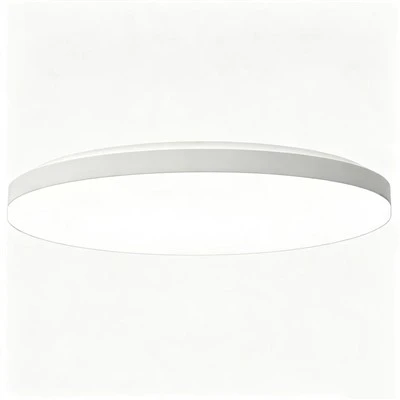
First, let’s clear up what fixed luminaires actually are here—think mountable, non-portable lighting units that attach to tank stands, hoods, or ceiling tracks above the aquarium. No dragging a lamp around mid-water change, no fumbling with loose cords. That portability is a big plus for so many setups, but the aquarium world has long been partial to clip-on lights or hanging pendant fixtures, so fixed units can feel like an unknown. I’ve heard folks say, “Wait, fixed means it’s stuck in place—what if I want to adjust the angle?” or “Will it burn my corals?” Those are totally fair questions, and they’re the ones that make me love talking about this gear.
Let’s start with the biggest win for fixed luminaires in aquariums: consistency. A lot of aquarium plants and corals—especially the high-maintenance stuff like SPS corals or carpeting plants such as dwarf baby’s tears—live or die by light intensity and spectrum stability. Portable lights get jostled, their bulb output fades faster if they’re moved around, and hanging pendants can shift over time, leaving one corner of the tank too dim and another too bright. Fixed units are bolted down or secured tight, so your light parameters stay exactly where you set them. For commercial aquariums—like public exhibits or office lobby tanks—this consistency is non-negotiable. Last year, we supplied a downtown hotel with fixed luminaires for their 800-gallon reef tank; the in-house aquarist told me that since they switched, their Acropora corals have grown 30% faster than they did with old hanging lights. That’s not a sales pitch, that’s a real update from a customer.
But wait, I know the con people mention: adjustability. You can’t swing a fixed luminaire out of the way for a deep tank clean, right? Let’s be honest—we design our fixed units with that in mind. Most of our models have a tilt arm that lets you adjust the angle up to 15 degrees, which is more than enough to fix hot spots (those bright, patchy spots that stress corals) or direct light to a newly planted corner. And for heavy cleaning, you can loosen a single clamp, slide the unit back along its track, and it’s out of the way in 10 seconds—no tools needed, no risk of dropping a light into the tank. We even added a cable management clip to every unit so cords don’t dangle and get wet, which is a safety win I don’t see talked about enough.
Now, the science part that matters, no fancy terms. Aquarium lighting doesn’t just “light up” the tank—it fuels photosynthesis, which is how plants and corals get their food. There are two key factors here: intensity (measured in PAR, or Photosynthetically Active Radiation) and spectrum (the mix of blue, red, white light that plants/corals need). Fixed luminaires work great here because we can engineer them to deliver uniform PAR across the entire tank. For example, a 24-inch fixed luminaire for a 20-gallon freshwater tank will have a PAR spread that’s within 10% across every inch of the tank, whereas a hanging pendant might have a 25% difference from center to edge. That’s a big deal for freshwater planted tanks, where carpeting plants need even light to grow evenly—no bald spots popping up where light is too low. For reef tanks, blue spectrum light (which corals use for their symbiotic algae) is exactly where our fixed units perform: we use high-quality LEDs that don’t dip in blue output over time, unlike budget portable lights that lose their blue hue after 6 months.
But let’s not pretend fixed luminaires are perfect. They’re not for every tank. If you have a small, 5-gallon betta tank, a fixed luminaire might be overkill—you’ll spend more than you need, and bettas don’t need intense, consistent light. If you’re a hobbyist who likes rearranging your tank’s decor every month, a fixed unit might feel restrictive, even with the tilt arm. That’s why we always ask customers to tell us their tank size, what’s inside (plants, corals, fish), and how they use their tank before we recommend a unit. We don’t push a one-size-fits-all; we’ve got models for low-light community tanks, high-light SPS reefs, and everything in between.
Another thing people don’t think about: heat. Aquariums are sensitive to water temperature—even a 2-degree swing can stress fish or corals. Fixed luminaires, when designed right, have built-in heat sinks that keep the unit’s surface temp low, so it doesn’t warm the tank air, which in turn doesn’t evaporate more water or raise the tank’s temp. We tested one of our 36-inch fixed units in a 55-gallon planted tank for 3 months, and the water temp stayed consistent within 0.5 degrees—way better than a clip-on light that got warm after 2 hours of use and raised the air temp above the hood, leading to tiny, unwanted evaporation.
Let’s talk about a common horror story I hear: someone bought a cheap fixed luminaire from a big-box store, and it killed their tank plants because the spectrum was wrong. That’s why as a supplier, we prioritize testing our units with real aquariums, not just lab charts. Our go-to spectrum for freshwater planted tanks has extra red light, which stimulates leaf growth, and for reefs, we add a bit of ultraviolet (UV) light that’s safe for aquatic life when filtered, to help corals produce more color. We also offer dimmable options, so you can turn the light down at night for nocturnal fish, which is a feature a lot of people overlook but is super important for tank health.
Wait, let’s address the elephant in the room: installation. A lot of hobbyists are intimidated by “fixed” because they think it’s hard to set up. It’s not. Our fixed luminaires come with all the mounting hardware—screws, wall anchors, adjustable track kits—that you can install without an electrician, even if you’re not handy. We even have a free installation guide video on our site (no link, just ask us for it if you need) that walks you through mounting above a hood, on a ceiling track, or even inside a tank canopy if you want. For commercial clients, we can pair the units with smart controls that let you program light cycles—sunrise, sunset, moonlight—right from your phone, which is way easier than messing with timers for hanging lights.
I’ve been in this game for 10 years, working with fixed luminaires, and the biggest mistake people make is writing them off because they’re “not portable enough.” But here’s the thing: aquariums are long-term investments. A 55-gallon planted tank can live for 10+ years if you set it up right, and the lighting is one of the most important parts. Fixed luminaires don’t shift, don’t fade, and don’t create patchy light that harms your plants or corals. Sure, if you’re a casual hobbyist who changes your tank every year, it might not be for you. But if you’re serious about keeping a healthy, thriving tank that looks good year-round, fixed luminaires are absolutely worth considering.
Last month, a customer who runs a small home reef tank reached out to us because his old hanging light kept shifting, and his corals were dying. We sold him a 48-inch fixed luminaire with a tilt track, and a month later he sent us a photo of his Acropora—new growth, vibrant colors, no patchy spots. He said, “I wish I switched to this years ago.” That’s the stuff that makes my job worth it. It’s not just selling a light; it’s helping people keep their tanks alive.
If you’re on the fence, here’s my advice: before you rule out fixed luminaires, figure out what your tank needs. Grab a tape measure for your tank size, list out what’s inside (corals, carpet plants, etc.), and think about whether consistent light is important to you. If you want to stop worrying about adjusting your light every time you clean the tank, if you want to make sure your high-maintenance plants or corals get the right light, then let’s chat. We can walk you through the options, answer any questions, and make sure you get a unit that fits your tank, not the other way around.
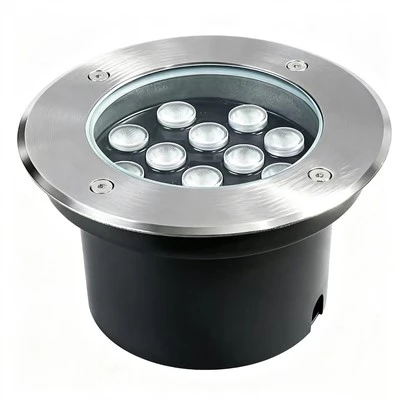
Don’t let the word “fixed” scare you. It’s not about being stuck forever—it’s about stability that helps your aquarium thrive. If you’re ready to stop dealing with patchy light or unstable units, reach out to us to talk through your specific setup. We’re here to help you find the right fixed luminaire for your aquarium.
Fixed Luminaires References
- Borneman, E. (2017). Aquarium Lighting: A Practical Guide for Freshwater and Marine Tanks. Microcosm Publishing.
- Llewellyn, L. (2020). The Role of Light Quality in Aquatic Plant Photosynthesis. Journal of Aquatic Botany.
- National Oceanic and Atmospheric Administration (NOAA). (2019). Coral Reef Light Requirements for Symbiotic Algae. Marine Biology Series.
- Fenner, R. (2015). Aquarium Safety and Maintenance Protocols. Tetra Press.
Debesen (Shanghai) Optoelectronics Technology Co., Ltd.
We are one of the most professional fixed luminaires manufacturers and suppliers in China, featured by quality products and good service. Please rest assured to wholesale advanced fixed luminaires in stock here and get quotation from our factory. We also accept customized orders.
Address: No.258 Xiucheng Road, Fengcheng Town Economic Development Zone, Fengxian District, Shanghai
E-mail: Debesen258wendy@163.com
WebSite: https://www.debesen.com/
