As a supplier of Commercial and Industrial (C&I) Energy Storage Systems, I’ve witnessed firsthand the growing demand for these systems in the business world. Energy storage is a critical component in the modern energy landscape, especially for commercial and industrial sectors aiming to optimize energy usage, reduce costs, and enhance grid stability. In this blog, I’ll delve into how a C&I Energy Storage System stores energy, exploring the underlying technologies, processes, and benefits. Commercial and Industrial Energy Storage System
Understanding the Basics of Energy Storage
Before we dive into the specifics of C&I energy storage systems, it’s essential to understand the fundamental concept of energy storage. Energy storage is the process of capturing energy produced at one time for use at a later time. In the context of C&I applications, this typically involves storing electrical energy, which can be sourced from various places such as the grid, renewable energy sources like solar panels or wind turbines, or on – site generators.
The primary goal of a C&I energy storage system is to provide a buffer between energy production and consumption. This buffer allows businesses to manage their energy usage more efficiently, avoid peak – time electricity charges, and ensure a reliable power supply in case of grid outages.
Types of Energy Storage Technologies Used in C&I Systems
There are several technologies available for C&I energy storage systems, each with its own set of advantages and limitations. The most commonly used technologies include:
Lithium – Ion Batteries
Lithium – ion batteries are the most prevalent choice for C&I energy storage systems. These batteries are known for their high energy density, long cycle life, and relatively fast charging and discharging capabilities. They work based on the movement of lithium ions between the anode and the cathode through an electrolyte.
When charging, lithium ions move from the cathode to the anode, where they are stored. During discharging, the ions move back to the cathode, releasing electrical energy in the process. Lithium – ion batteries can be configured in various sizes and capacities to meet the specific needs of different commercial and industrial facilities.
One of the key benefits of lithium – ion batteries is their scalability. They can be easily integrated into existing electrical systems, and additional battery modules can be added as the energy storage requirements of a business grow.
Flow Batteries
Flow batteries are another option for C&I energy storage. Unlike lithium – ion batteries, which store energy in solid electrodes, flow batteries store energy in liquid electrolytes contained in external tanks. The electrolytes are pumped through a cell stack, where the chemical reactions that store and release energy take place.
Flow batteries offer several advantages, including long cycle life, high energy efficiency, and the ability to independently scale power and energy capacity. This means that businesses can adjust the power output and the total energy storage capacity of the system according to their specific needs.
However, flow batteries are generally larger and more complex than lithium – ion batteries, which can make them more expensive to install and maintain.
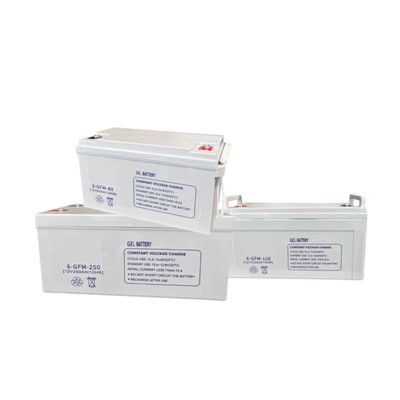
Lead – Acid Batteries
Lead – acid batteries have been used for energy storage for many years and are still a viable option for some C&I applications. These batteries work based on the chemical reaction between lead, lead dioxide, and sulfuric acid.
When charging, the lead dioxide at the cathode and the lead at the anode react with the sulfuric acid electrolyte to form lead sulfate. During discharging, the lead sulfate is converted back to lead, lead dioxide, and sulfuric acid, releasing electrical energy.
Lead – acid batteries are relatively inexpensive and have a well – established manufacturing and recycling infrastructure. However, they have a lower energy density and a shorter cycle life compared to lithium – ion and flow batteries.
The Energy Storage Process in a C&I System
The energy storage process in a C&I energy storage system can be divided into several stages:
Energy Generation and Input
The first step in the energy storage process is the generation of electrical energy. This can come from various sources, such as the grid, solar panels, wind turbines, or on – site generators. The energy is then fed into the energy storage system, where it is prepared for storage.
Conversion and Conditioning
Once the energy is input into the system, it often needs to be converted and conditioned. For example, if the energy is generated from a renewable source like solar panels, it may be in the form of direct current (DC). The energy storage system will typically convert this DC power into alternating current (AC) using an inverter, which is the standard form of electricity used in most commercial and industrial facilities.
In addition to conversion, the energy may also need to be conditioned to ensure that it is of the right quality and voltage for storage. This may involve filtering out any electrical noise or fluctuations and adjusting the voltage to match the requirements of the energy storage technology.
Storage in the Battery
After the energy has been converted and conditioned, it is stored in the battery. As mentioned earlier, the specific storage mechanism depends on the type of battery technology used. For lithium – ion batteries, the lithium ions are stored in the anode during charging, while for flow batteries, the energy is stored in the liquid electrolytes.
The battery management system (BMS) plays a crucial role in this stage. The BMS monitors the state of charge, state of health, and temperature of the battery to ensure safe and efficient operation. It also controls the charging and discharging processes to prevent overcharging, over – discharging, and other potential issues.
Energy Release and Output
When the stored energy is needed, the energy storage system releases the energy from the battery. The BMS controls the discharge process, ensuring that the energy is released at the right rate and voltage. The energy is then converted back to the appropriate form (if necessary) and fed into the electrical system of the commercial or industrial facility.
Benefits of C&I Energy Storage Systems
C&I energy storage systems offer several benefits for businesses, including:
Cost Savings
One of the primary benefits of C&I energy storage systems is cost savings. By storing energy during off – peak hours when electricity prices are low and using it during peak hours when prices are high, businesses can significantly reduce their electricity bills. Additionally, energy storage systems can help businesses avoid demand charges, which are based on the maximum amount of electricity used during a specific period.
Grid Independence and Resilience
C&I energy storage systems can provide businesses with a degree of grid independence. In the event of a grid outage, the stored energy can be used to power critical equipment and operations, ensuring that the business can continue to function without interruption. This is particularly important for industries that rely on a continuous power supply, such as data centers, hospitals, and manufacturing facilities.
Integration of Renewable Energy
As more businesses look to incorporate renewable energy sources into their energy mix, energy storage systems play a crucial role in ensuring the reliable and efficient use of these sources. Solar and wind energy are intermittent, meaning that they are not always available when needed. Energy storage systems can store the excess energy generated during periods of high production and release it when production is low, helping to balance the energy supply and demand.
Environmental Benefits
By reducing the reliance on the grid and integrating renewable energy sources, C&I energy storage systems can help businesses reduce their carbon footprint. This is in line with the growing trend towards sustainability and corporate social responsibility in the business world.
Conclusion

In conclusion, a C&I Energy Storage System stores energy through a combination of energy generation, conversion, conditioning, and storage in a battery. The choice of energy storage technology depends on various factors, such as the specific needs of the business, the available space, and the budget.
Power Lithium Battery As a supplier of C&I Energy Storage Systems, I’m committed to providing high – quality, reliable, and cost – effective solutions for businesses. If you’re interested in learning more about how a C&I energy storage system can benefit your business or if you’re ready to start a procurement discussion, I encourage you to reach out. Our team of experts is ready to assist you in finding the right energy storage solution for your specific requirements.
References
- "Energy Storage Handbook" by the Electric Power Research Institute (EPRI)
- "Lithium – Ion Batteries: Science and Technologies" by Yoshio Nishi, Akihiro Yamada, and Masaki Okubo
- "Flow Batteries: From Fundamentals to Applications" by Maria Skyllas – Kazacos, Franco Cugnetti, and Stefano Passerini
Shandong Yaoqian Energy Storage International Trade Co., Ltd.
We’re well-known as one of the leading commercial and industrial energy storage system manufacturers and suppliers in China, featured by quality products and good price. Please rest assured to buy customized commercial and industrial energy storage system made in China here from our factory.
Address: Lithium Battery Industrial Park, Xingcheng Street, Zaozhuang High-tech Zone, Shandong Province, China
E-mail: boss@yaoqiansmart.com
WebSite: https://www.yaoqiansmart.com/
