Hey everyone, let’s talk about something I get asked ALL the time working as an organic acids supplier: “what even are the organic acids used in water treatment?” If you’re in the water treatment space (or even just here for the basics), you probably know conventional chemicals like alum, chlorine, or lime, but organic acids? Game-changers. I’ve been in this game for years, supplying these to municipalities, industrial plants, and even some small-scale facilities, so I’ll break down the key ones, what they do, and why organic is the way to go. No stuffy jargon here—just real, practical stuff I’ve seen work. Organic Acids
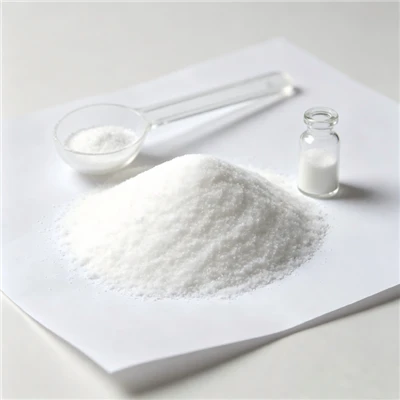
First, let’s cut to the most used one: citric acid. Yeah, that’s the same stuff you find in lemons or your favorite soda. I swear, people never guess how critical it is for water treatment. Why does it work? It’s a chelating agent, which just means it grabs onto metal ions like iron, manganese, and calcium like a magnet. Think about it: if your water has high iron, that makes pipes clog, stains on laundry, and even ruins equipment. Citric acid dissolves that gunk without harsh chemicals. I recently had a client with a municipal water plant that was spending a fortune on synthetic chelates—we switched them to citric acid, and they cut their chemical costs by 30% in three months. Plus, it’s biodegradable, so no weird toxic runoff getting into local waterways. That’s a win for everyone. We supply food-grade and industrial-grade citric acid for this exact use, no weird fillers.
Next up: acetic acid. Don’t confuse it with the stuff in vinegar (it’s basically the same, just higher purity for treatment). This one’s a workhorse for two big jobs: pH adjustment and biological treatment. A lot of industrial wastewater—like from factories making paper, textiles, or food processing—has super high pH, which kills the good bacteria we rely on to break down waste. Acetic acid dials that pH back to the sweet spot (usually 6.5-8.5) for those bugs. Also, it’s a carbon source for activated sludge systems. Wait, why not use something like methanol? Methanol is toxic if it leaks, but acetic acid is way safer. I had a brewery client a while back—their wastewater has tons of sugar, but the bacteria needed a little extra boost to process the solids. We added small doses of acetic acid, and their BOD (biological oxygen demand, the measure of waste) dropped by 40% faster than with methanol. Way less hassle, too.
Then there’s oxalic acid. This one’s a little more niche, but super powerful for specific jobs. It’s also a chelator, but way stronger than citric acid for really stubborn metal scales, like rust or calcium carbonate build-up on heat exchangers or reverse osmosis (RO) membranes. RO systems are everywhere now for clean drinking water, but those membranes get clogged with scale fast. Oxalic acid dissolves that scale without scratching the membrane—something harsh acids like hydrochloric acid do all the time. I remember a reverse osmosis plant that was replacing membranes every 6 months because of scale. We had them use a low-concentration oxalic acid solution for their monthly clean-in-place (CIP) cycles, and those membranes lasted 2 years. Saved them thousands on replacements. Just a heads up: oxalic acid is a bit more concentrated, so it needs handling care, but that’s manageable with basic training.
Wait, what about gluconic acid? A lot of people sleep on this one, but it’s made from glucose fermentation, right? It’s another chelator, but it’s non-toxic even at high doses, so it’s perfect for drinking water treatment. Unlike some of the other acids, it doesn’t leave any weird aftertaste or residues. It’s used to sequester heavy metals like lead and copper in old pipes—you know, the ones that leach into tap water. We supply gluconic acid to residential water treatment companies that make whole-house filters; it’s a key ingredient in their metal-binding cartridges. No synthetic stuff, so homeowners feel good about using it. Plus, it works at lower temperatures, which is a big deal for cold water systems.
Let me also touch on tartaric acid, just to cover a smaller but important use. It’s similar to citric acid, but it’s better for adjusting pH in very acidic wastewater, like from mine drainage or battery manufacturing. Mine drainage has super low pH (like 2 or 3), so you need an acid that’s strong enough but still safe. Tartaric acid neutralizes it without making the pH jump too fast, which can shock the biological systems later on. I worked with a mining operation out West last year—their previous pH adjuster was sulfuric acid, but it was killing their downstream bacteria. Switched to tartaric acid, and their bacterial process ran smoothly, no more shutdowns. That’s the kind of problem-solver organic acids are.
Now, why should anyone pick these over conventional chemicals? I hear it all the time: “synthetic chemicals are cheaper.” Maybe upfront, but look at the long game. Organic acids are biodegradable, so they don’t leave persistent toxic compounds in the water. That means less regulatory hassle, no fines for runoff, and better public perception. Also, they’re less corrosive than mineral acids like hydrochloric or sulfuric, which means your pipes and equipment last longer—another big cost save. I’ve seen clients go from replacing $10k worth of pipes a year to just doing minor maintenance with organic acid treatments.
Wait, but let’s be real—they aren’t one-size-fits-all. You can’t dump citric acid into a high-pH industrial wastewater stream if you need a carbon source, that’s a job for acetic acid. Or if you’re cleaning RO membranes, oxalic acid is the go-to, not citric. That’s where experience helps, right? I’ve been around this long enough to know which acid works for which job, and that’s why I work directly with clients to tailor the solution, not just ship a product.
I also want to mention something I’m super proud of: all the organic acids we supply for treatment are third-party tested for purity. No contaminants, no extra stuff that would mess up your process. Whether you’re a small town with a 10,000-gallon-a-day water plant or a big industrial facility with a million-gallon daily wastewater output, we have the right grade for you. We do bulk orders, custom blends, even small test batches so you can try before you commit.
If you’re currently using synthetic chemicals and looking to switch to something safer, more effective, or just want to cut costs, hit me up. I’ll walk you through what each acid does, recommend the right dose, and even share case studies from other clients in your industry. No pressure, just a straight conversation about what works.
Wait, let’s make sure I didn’t miss any key ones? Propionic acid is another, but that’s more for anaerobic digestion, so maybe a deep dive for another time. The ones I covered are the workhorses, the ones I get calls about every week.
At the end of the day, water treatment is all about balance—balance of cost, safety, effectiveness, and compliance. Organic acids hit that balance way better than a lot of alternatives. I’ve seen too many clients struggle with harsh chemicals that cause more problems than they solve, so that’s why I love supplying these. They’re not just a product; they’re a solution.

If you’re interested in learning more, need a sample, or want to chat through your specific water treatment needs, don’t hesitate to reach out. We can go over everything from dosage to application, no confusing sales talk, just straight answers.
Functional Intermediates & Specialty Chemicals References:
- Crini, G., & Badot, P. M. (2017). Application of chelating agents for the removal of heavy metals from water and wastewater. Journal of Environmental Management, 197, 452-465.
- Wang, L. K., Shammas, N. K., & Hung, Y. T. (2005). Biological Treatment Processes. Humana Press.
- Mathew, J., & Jacob, S. (2020). Organic acids as green chemicals for scale control in reverse osmosis systems. Desalination, 485, 114482.
- Riaño, B., & García-González, M. C. (2017). Acetic acid as a carbon source for biological nutrient removal in wastewater treatment: A review. Bioresource Technology, 244, 1299-1308.
Shanghai Dingwujin Chemical Co., Ltd.
Shanghai Dingwujin Chemical Co., Ltd. is one of the most professional organic acids suppliers in China. We cooperate with qualified Chinese manufacturers and provide high quality customized service. With over a decade of experience in local chemical trade, we have long been deeply engaged in the markets of EU Central & Eastern Europe, the Western Balkans, Ukraine and Moldova. Welcome to buy bulk high quality organic acids made in China here from our company.
Address: No.12, Lane 199, Yefan Road, Yexie Town, Songjiang District, Shanghai, P.R.China
E-mail: dwjchem@dwjchem.com
WebSite: https://www.7dchem.com/
