If you’ve ever stood next to a CNC lathe humming through a 12-hour production run, you might’ve noticed a thin, cloudy liquid sloshing under the workholding area. Most new operators, and even a few procurement managers I’ve talked to early in my 18 years as a CNC lathe supplier, write it off as background noise—something that comes with the machine, not something you have to pay attention to. That’s exactly the mistake I see all too often. Last year, I visited a job shop in Cleveland that’d just lost $70,000 in raw titanium and a 3-day production window because their coolant tank got clogged with metal shavings and they ran a batch of parts dry. The spindle seized, the insert snapped, and they had to rush reorders to a customer who almost pulled a $200,000 annual contract. That story stuck with me, because it wasn’t a machine malfunction—it was a coolant malfunction, and it’s far more common than people realize. Today, I’m breaking down exactly why coolant isn’t an afterthought in CNC lathe operations, especially if you’re relying on these machines for consistent, high-quality parts. CNC Lathes
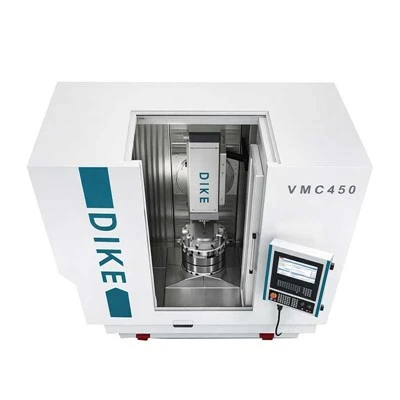
First, let’s talk about the core job coolant does: managing heat. CNC lathes are ferocious. They spin metal at 1,000 RPM, grind away inches of material in seconds, and create friction between cutting tools and workpieces that can spike temperatures above 1,000 degrees Fahrenheit. That heat isn’t just uncomfortable for the machine—it’s destructive. If that heat isn’t pulled away, it doesn’t just damage the cutting tool; it warps the workpiece. I remember a job shop in Detroit that made aerospace turbine blades for Boeing. They didn’t properly adjust their coolant flow for their titanium turning operations, and half their batch came out 0.002 inches out of spec. By the time they caught it, the blades were already shipped to the assembly line, and they had to scrap the entire lot at a cost of $12,000. The problem? The heat from cutting expanded the titanium blade so it fit the tolerance gauge in the hot state, but once it cooled, it shrank just enough to fail inspection. Coolant doesn’t just cool things down—it creates a consistent thermal environment, so parts stay within tolerance from start to finish.
Next, coolant lubricates, and I mean that in a way that’s specific to CNC lathe operations. When a cutting tool bites into metal, metal shavings (called chips) break off. If those chips get stuck between the tool and the workpiece, they act like tiny, jagged sandpaper. They wear down the cutting insert faster, create micro-scratches on the part surface, and even cause tool chatter—that high-pitched whine that leads to uneven cuts. Good coolant, especially one formulated for turning operations, flows between the tool, chip, and workpiece, reducing friction so chips slide out easily, not catch. I’ve seen operators skip high-quality coolant to save $50 a tank, and within a month, they’re replacing 30% more inserts than their budget allows. Over a year, that adds up to thousands in unnecessary costs. Last quarter, a repeat customer who had been cutting corners on coolant switched to the blend we recommend for their stainless steel turning jobs. They told me their insert life jumped 40% in six weeks, and their surface finish scores went up so much they dropped a secondary polishing step. That’s the kind of ROI no one expects from something that costs pennies per gallon.
Then there’s chip evacuation. This is where I see a lot of new CNC operators make a rookie mistake: turning the coolant flow too low to avoid mess, or not directing it correctly. When you’re turning long, stringy chips on a lathe—think aluminum or low-carbon steel—those chips can wrap around the spindle, the tool post, or the workpiece if coolant isn’t pushing them out of the cut zone. Last year, I had a customer in Ohio who was running brass connectors for plumbing valves. He turned his coolant off entirely for the last 10 minutes of every cycle to get a “cleaner” part right out of the machine. Within three months, his spindle started making a grinding noise—those tiny brass chips had built up in the spindle’s ball bearings, causing premature wear. When we took the machine apart, the bearings were so damaged we had to replace the entire spindle at a cost of $8,500. That damage wasn’t from the machine working too hard—it was from chips that couldn’t get flushed away. Coolant doesn’t just cool and lubricate—it’s the lathe’s way of keeping its insides clean, preventing debris from causing long-term wear on parts that cost 10x more than a full year of coolant.
Now, let’s talk about surface quality and part consistency. For many CNC lathe parts—like automotive engine components, medical implants, or aerospace fittings—surface finish isn’t just a cosmetic detail. A scratch or a slightly uneven surface can cause a part to fail a pressure test, or wear out faster in use. Coolant helps create a smoother cut by reducing tool friction, which eliminates small jumps in the tool path. It also flushes away fine metal particles that can get dragged across the part as it turns. I’ve worked with a medical device manufacturer that makes surgical bone screws. They had a defect rate of 8% on their first run with a new lathe, until they adjusted their coolant pressure and switched to a semi-synthetic blend. Within three batches, their defect rate dropped to 0.5%. Those bone screws go inside the body, so no one wants a part that’s rough enough to cause tissue irritation or fail a torque test. Coolant might not be the first thing a quality control inspector checks, but it’s the foundation that makes a perfect surface finish possible.
Wait, I should also address the elephant in the room: coolant maintenance. A lot of people think coolant is a “set it and forget it” fluid, but that’s far from true. Over time, coolant gets contaminated with metal shavings, bacteria, and tramp oil from hydraulic lines. If it’s not filtered, tested, or changed regularly, it loses its lubricating and cooling properties. It can also cause corrosion on the machine’s metal parts, or even lead to skin irritation for operators (not to mention a foul smell in the shop). Last year, a customer in Chicago had a coolant tank that hadn’t been cleaned in two years. Their machine’s ways—those precision rails the tool post slides on—started developing rust spots, because the contaminated coolant had eaten through the protective coating. Replacing the ways cost $12,000, plus downtime that cost them $2,000 an hour while they waited for parts. Proper coolant maintenance doesn’t just keep parts good—it protects the machine itself, which is the biggest investment in your shop.
Now, as a CNC lathe supplier, I’m not here to sell you overpriced coolant or make it sound like it’s the only thing that matters. I’m here to tell you that coolant is a critical part of your operation that most people overlook, and ignoring it can cost you way more than paying attention. I’ve seen shops buy a $100,000 CNC lathe and then skimp on coolant, tooling, or maintenance, only to have that lathe not perform nearly as well as it should. Conversely, I’ve seen shops with older lathes, well-maintained coolant, and good practices, that outproduce brand-new machines with neglected coolant systems.
Let’s get back to that Cleveland job shop I mentioned earlier. They fixed their coolant system last year: installed a high-quality filter, added a pH testing routine, and switched to a cutting fluid formulated for titanium. Six months later, they told me their throughput on titanium parts went up 25%, their tooling costs dropped 18%, and they haven’t had a single spindle issue from chip buildup. That’s not a coincidence—coolant was the missing piece that let their lathes work the way they were designed to.

If you’re currently using a CNC lathe, or looking to add one to your shop, I’d encourage you to look at your coolant system the same way you look at your tooling or your machine. It’s not a disposable, afterthought fluid—it’s a system that protects your parts, your machine, and your bottom line. If you’re curious about the right coolant for your specific operations, or want to talk about setting up a maintenance routine that works for your shop, feel free to reach out and connect to discuss your needs.
Gear Skiving Machine References:
- ASM International. (2016). Machining and Machinability of Metals. ASM Handbook, Volume 16.
- Stephenson, D. A., & Agapiou, J. S. (2016). Metal Cutting: Theory and Practice (3rd ed.). CRC Press.
- National Institute of Occupational Safety and Health (NIOSH). (2020). Guidelines for Machining Fluid Management to Control Exposures and Improve Productivity.
- Modern Machine Shop. (2022). “Coolant Systems: The Unsung Hero of CNC Machining.”
Wuxi DIKE CNC Technology Co., Ltd.
As one of the most professional CNC lathes manufacturers and suppliers in China, we have world-leading production equipment and strong manufacturing capabilities. Please feel free to buy customized CNC lathes at competitive price from our factory. Also, pricelist is available.
Address: No. 2, Xianshan Road, Qianqiao Street, Huishan District, Wuxi City, Jiangsu Province, China
E-mail: wxdk@wxdike.com
WebSite: https://www.dike-cnc.com/
