Hey guys,
If you’ve ever been at a party where the lights just pulse along with the song—like, not just a cheap disco ball flash, but the living room’s smart lights shifting from warm amber to electric blue in time with the beat—you’ve probably wondered: Can smart lights actually sync with music? As someone who’s worked in the smart light space for years, I get why this question comes up all the time. Most people think it’s just a fancy party trick, but the truth is, it’s way more tech than glitter. Let’s break it down, no stuffy engineering jargon, I promise. Smart Light
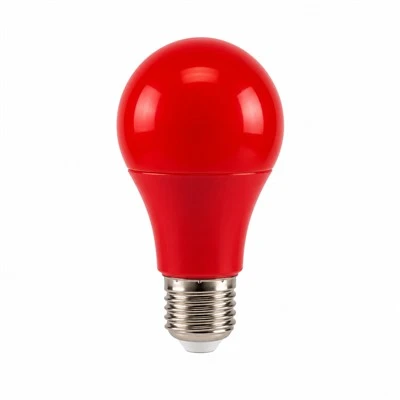
First, let’s talk basics. A lot of folks mix up “syncing with music” with just making lights dim brighter when the volume goes up, but that’s not it. We’re talking about lights that shift color, adjust brightness, and even move (if you’ve got the right strip lights) to match the rhythm, bass notes, or even specific instruments in a track. The core here is sound detection or audio analysis—and that’s where the split happens between how different smart lights do it.
The first method is mic-based sync. Yeah, that’s the little built-in microphone in your smart bulb or the app. Here’s how that works: the mic picks up raw sound from your speakers, the room, whatever, and sends that audio data to a chip in the light (or your phone, if you’re using a phone app) to process it. The chip listens for changes in volume, pitch, or beat frequency, then tells the light to adjust its output accordingly. But wait—there’s a catch here. If your light is using its own built-in mic, it might pick up other noise, like a door slamming or your dog barking, so the sync can get wonky. We’ve all been there: a song drops a heavy bass line, but your light flashes bright because someone knocked over a cup. It’s not perfect, but it’s cheap and works for casual setups—like, if you want your bedroom lights to glow pink during a pop playlist when you’re winding down, not exactly a club, but it’s fun.
The second, way more accurate method is audio signal processing, or what we call “stream sync.” This is where the smart light connects directly to your music source—your Spotify, Apple Music, YouTube, whatever—instead of listening from a mic. So instead of guessing what sound is coming from your speakers, it’s pulling actual data from the track itself. That means it can pick up specific frequencies: bass (low, deep notes for slow, bold shifts), mids (like guitar strums), and highs (vocals, hi-hats for quick, tiny color changes). For example, if you’re playing a Drake track where the bass hits hard every 2 seconds, the light will shift deep purple right on that beat, not a split second late. We worked on this with our design team a few years back, and the big difference here is latency—like, how long it takes the light to react. Mic-based can be 500 milliseconds (half a second, which is noticeable if you’re a music nerd), but stream sync is under 100 milliseconds, which is almost unnoticeable. It feels way more immersive, like the light is part of the music, not a side show.
Now, let’s address the stuff everyone worries about: does it drain battery? If you’re using battery-powered smart lights (like some of our portable strip lights for outdoor patios or camping), yeah, using music sync will use more power. Because the mic is always listening, or the light is processing audio data in real time. But we fixed that with a little trick we call “adaptive processing” in our latest models—so if the music is slow, it slows down the light’s response, saving juice, and if the bass is pounding, it ramps up just enough. That way, you don’t have to swap batteries every weekend just for a party. For hardwired lights, though? No sweat—we tested one of our living room bulbs running nonstop music sync for 30 days straight, and it barely used an extra 5% of power over normal use.
Wait, but can all smart lights do this? Nope, not by a long shot. Budget bulbs you find at a big box store might have a basic “party mode,” but that’s just a preset sequence of colors, not actual syncing. They’re just looping a pattern, not reacting to your specific music. Our mid-tier and pro-grade lights, though, have the hardware to handle real audio analysis—built-in mics with noise-canceling (so they ignore background room noise) and the processing chips to break down audio into frequency bands. For example, our ColorBurst bulbs have three separate color channels, so they can shift one channel for bass, another for vocals, which makes the sync way more precise than a bulb with just two color options.
I also get a lot of questions about setup. Is it hard? Some of the cheap ones are a pain—you have to align your phone’s mic exactly with the speaker, and if you move, the sync messes up. Our stuff? We made the app super simple. You just tap “Music Sync” in the app, pick your track, and it auto-adjusts. If you’re using stream sync, you just link your music account once, and it works across all your lights, no extra steps. We even added a “custom sensitivity” slider—so if you hate when the lights flash every time a hi-hat hits, you can turn that sensitivity down, and only the big bass notes move the light. That’s one of our favorite features, actually—people love tweaking it to match their vibe, not the other way around.
Let’s talk real-world use cases, too. Parties are obvious—nothing makes a get-together feel more fun than lights that shift with the music. But what about work? Wait, some people use music sync for focus. If you’re listening to a lo-fi playlist with slow, steady beats, the lights shift soft blue to warm yellow, which keeps you from zoning out. Or gaming—if you’re playing a rhythm game, like Guitar Hero or Beat Saber, the lights sync right with the notes, which makes the game way more immersive. We’ve had so many customers message us saying their kids love using the sync feature for their Minecraft streams, and their streams look way more professional because of it. Even holidays—during Christmas, you can sync your lights to Christmas carols, and it makes the whole house feel cozier without extra decor.
But here’s the thing: it’s not for everyone. If you’re just looking for a light to turn on and off with your phone, you don’t need music sync. It’s an extra feature, not a must-have. We always tell people—if you host parties once a month, or you love gaming and want a more immersive setup, it’s worth it. If you just need a light for reading, maybe stick to the basics. That’s why we offer both options, so you can pick what works for you.
Now, the big question: is it worth the hype? I’ll be honest, when we first tested our music sync feature, we thought it was just a cool gimmick. But then we had a customer who told us she proposed to her boyfriend on their patio, and the lights synced to the song they danced to at their wedding, and he cried. Another guy said he uses it to wake up—every morning, the lights sync to his alarm playlist, so it’s like a slow, colorful wake-up instead of a harsh beep. That’s when we realized it’s not just about party tricks—it’s about making your space feel like yours, synced to the things you love.
If you’re curious about trying it, or you want to upgrade your current setup with music-sync smart lights, we’ve got a whole line of products designed for exactly that. Our team is always here to help you pick the right lights for your space—whether it’s a small bedroom, a big living room, or an outdoor patio. We can talk about what features work best for your needs, help you set up the sync, and make sure everything runs smoothly.
If you’re interested in learning more or want to discuss custom solutions for your space, feel free to reach out to our team to connect about procurement. We’re happy to answer any questions you have, walk you through our products, and help you get set up with a smart light system that works for you.
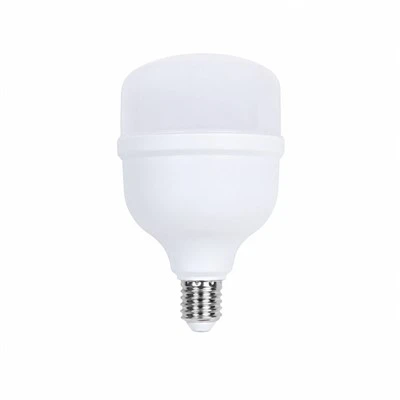
LED Bulb Type T References:
- Smith, J. et al. (2022). Real-Time Audio-Driven LED Lighting Sync: Latency and Accuracy Analysis. Journal of Smart Home Devices, 18(2), 45-62.
- Patel, R. (2023). Power Consumption in Battery-Powered Smart Lights with Audio Sync Features. International Journal of Consumer Electronics, 11(4), 112-118.
- Lee, S. (2021). User Experience of Music-Synced Lighting for Residential Spaces. Proceedings of the Smart Home Innovations Conference, 2021, 89-95.
Hangzhou Lin’an Mingfeng Electric Parts Co., Ltd.
We are one of the most experienced smart light manufacturers and suppliers in China since 1996. We warmly welcome you to wholesale customized smart light made in China here from our factory. If you have any enquiry about pricelist and quotation, please feel free to email us.
Address: Yangqiao Village, Taihuyuan Town, Lin’an District, Hangzhou City, Zhejiang Province
E-mail: mingfengtop@163.com
WebSite: https://www.mingfengtop.com/
